





Design Beyond Trends
As the concept of trends becomes less directive, the way design choices are made is shifting as well. Rather than responding to what is new, the focus is increasingly on what endures — a movement that closely aligns with the design shifts towards 2026.
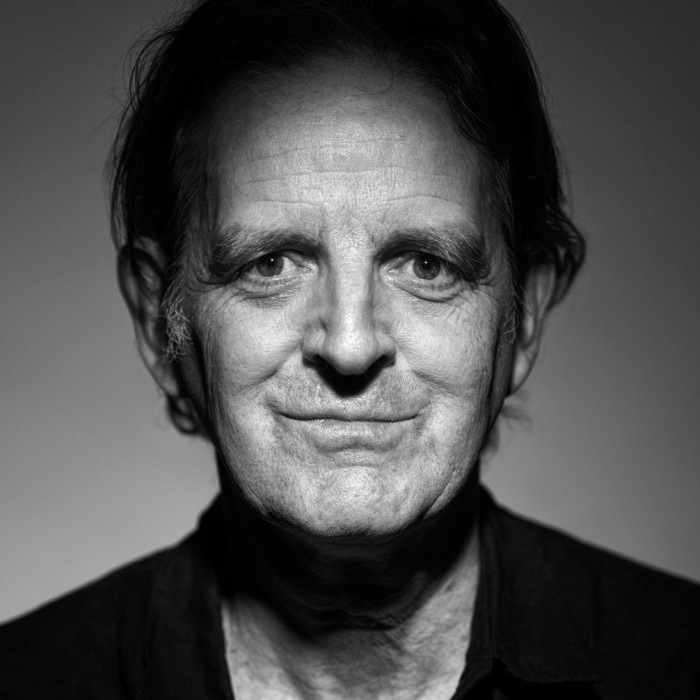
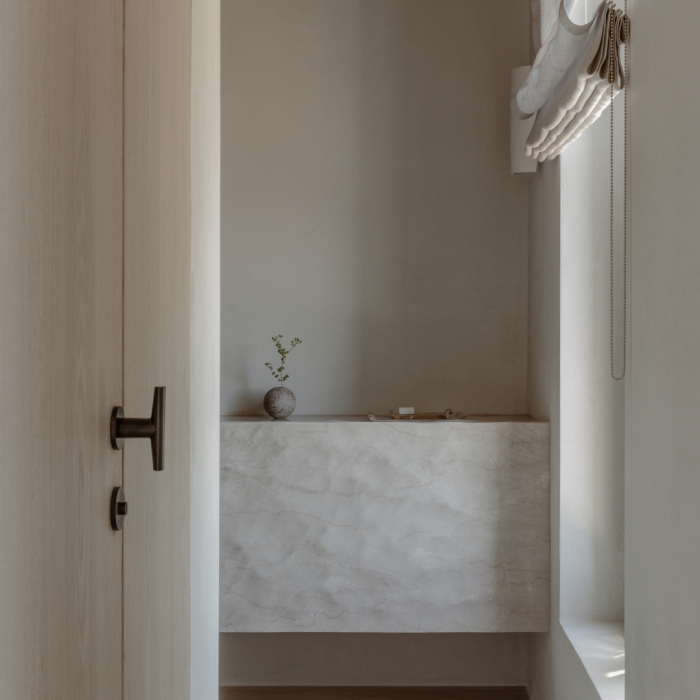
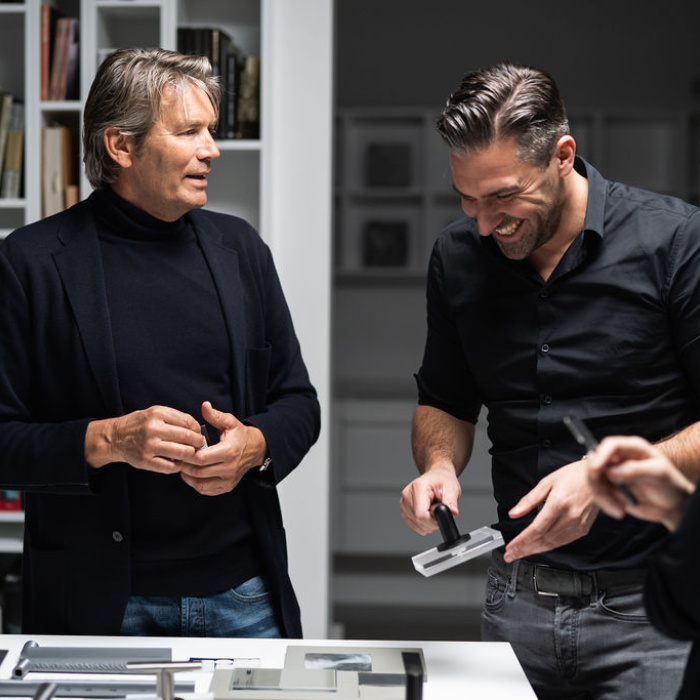
For Studio Piet Boon, this is nothing new. It has formed the foundation of their design practice for many years. Chief Design Officer Roland Kokkeler emphasizes that design should be clear, functional, and pure. Decoration for the sake of decoration is deliberately avoided.
“To remain timeless, we embrace what is functional and to the point — in our view, that will always stay relevant.”
Simplicity as a Starting Point
This mindset translates into a strong preference for simplicity. Not as a stylistic statement, but as a way to create calm and balance. Form should never distract from use. By removing complexity, space is created for quality — a quality that truly reveals itself through everyday use.
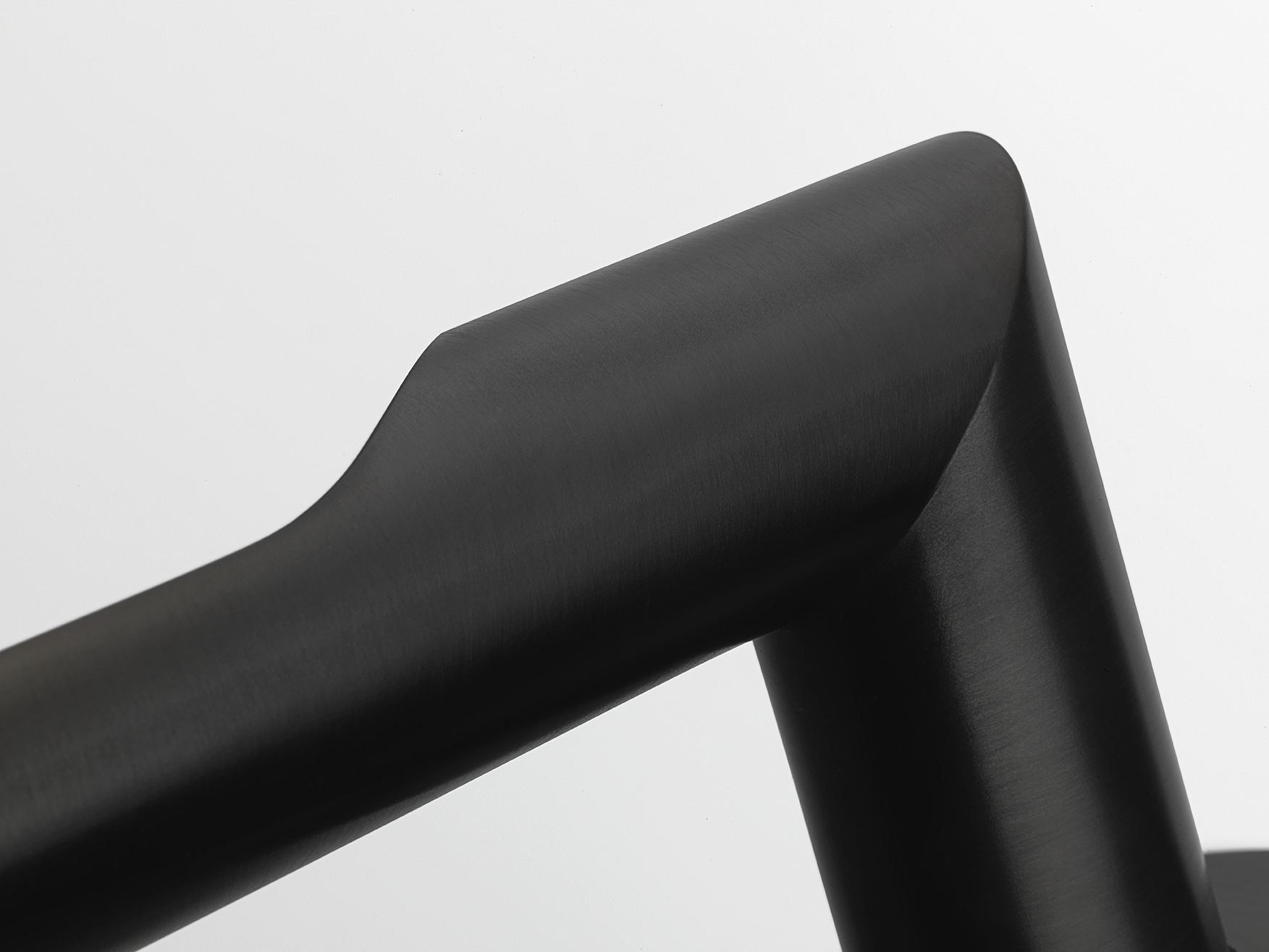
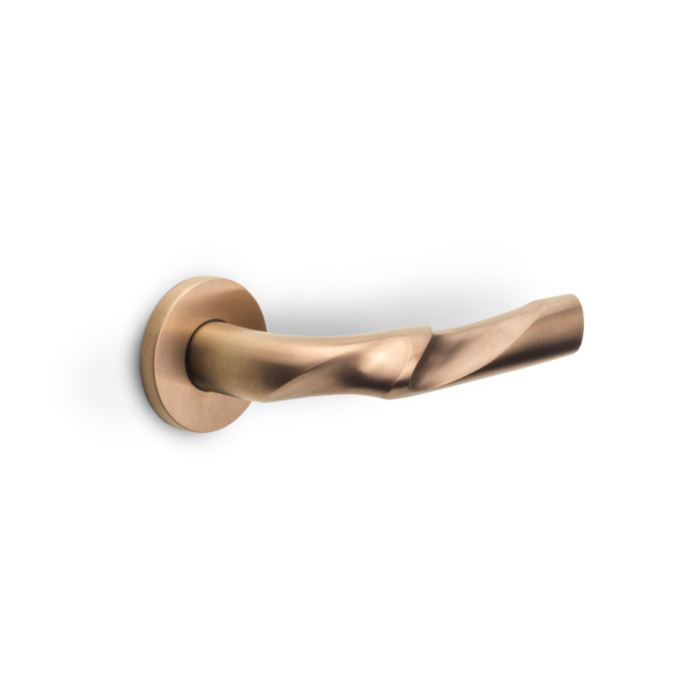
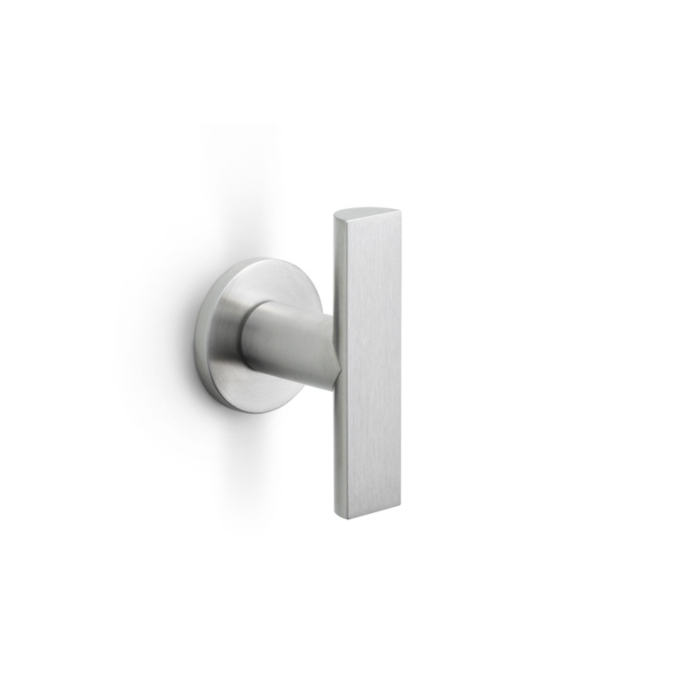
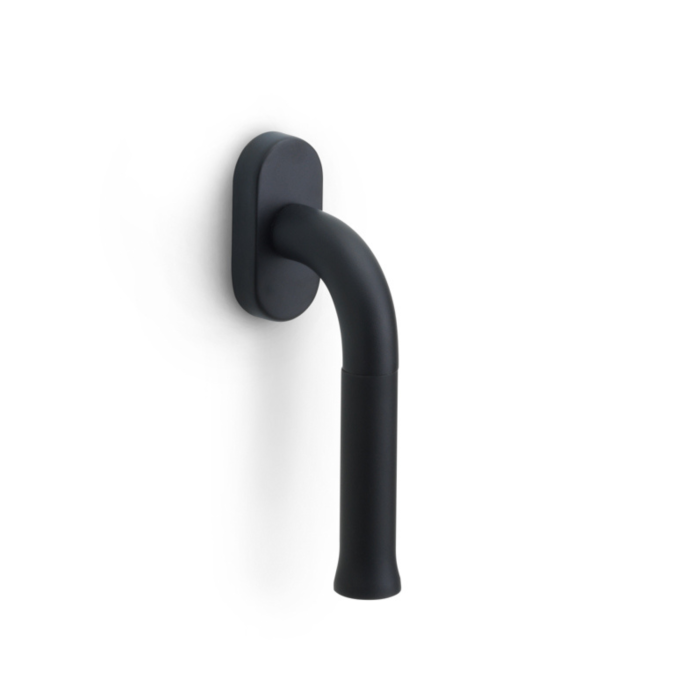
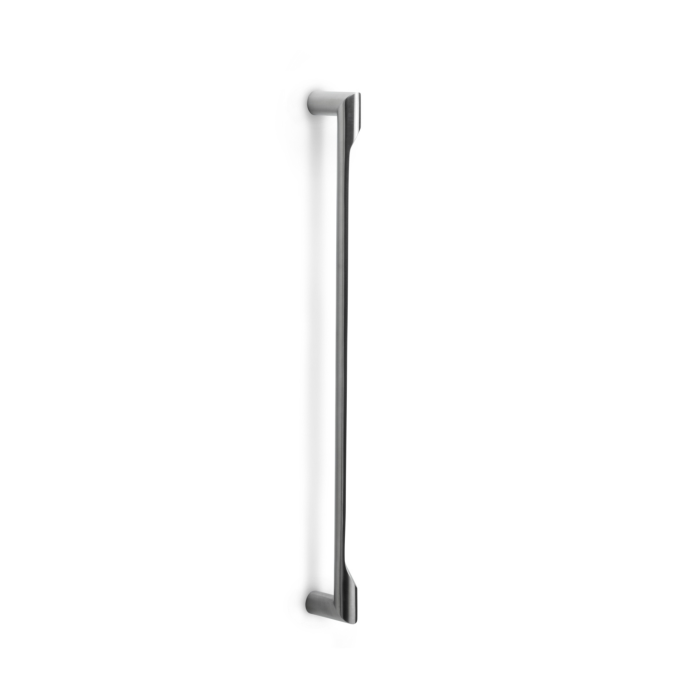
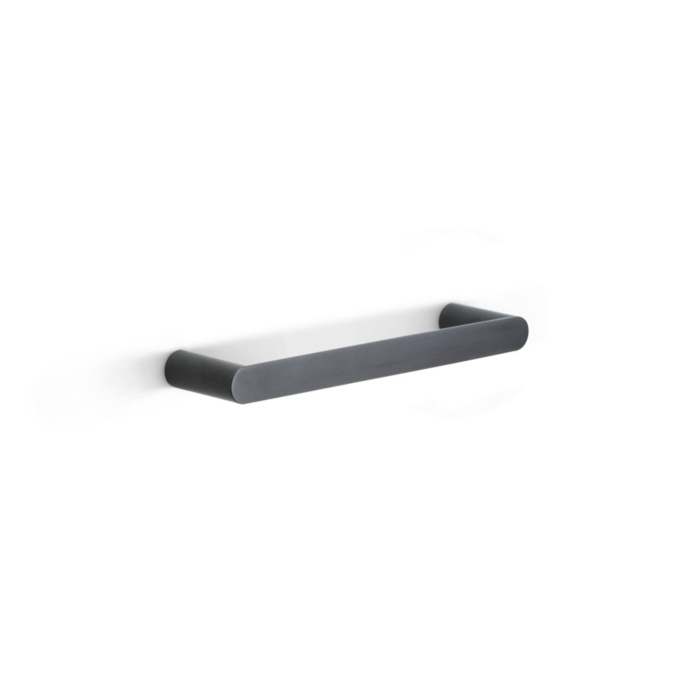
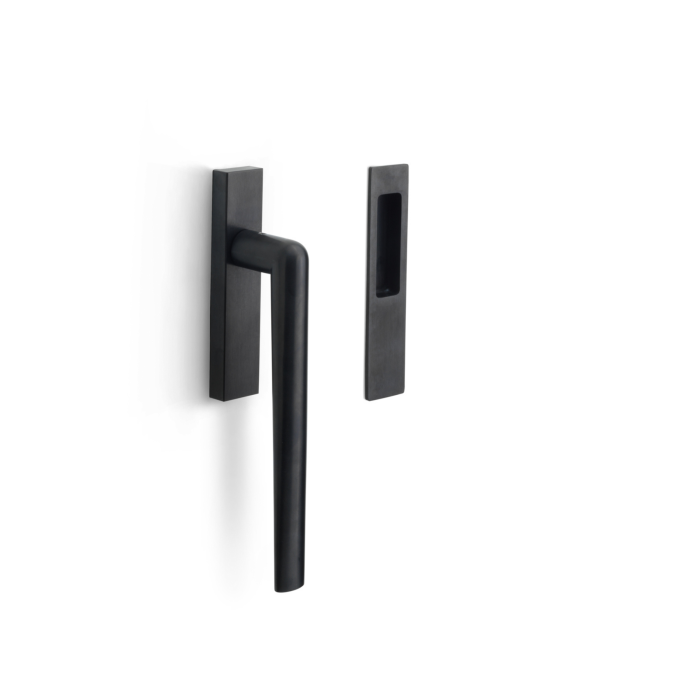
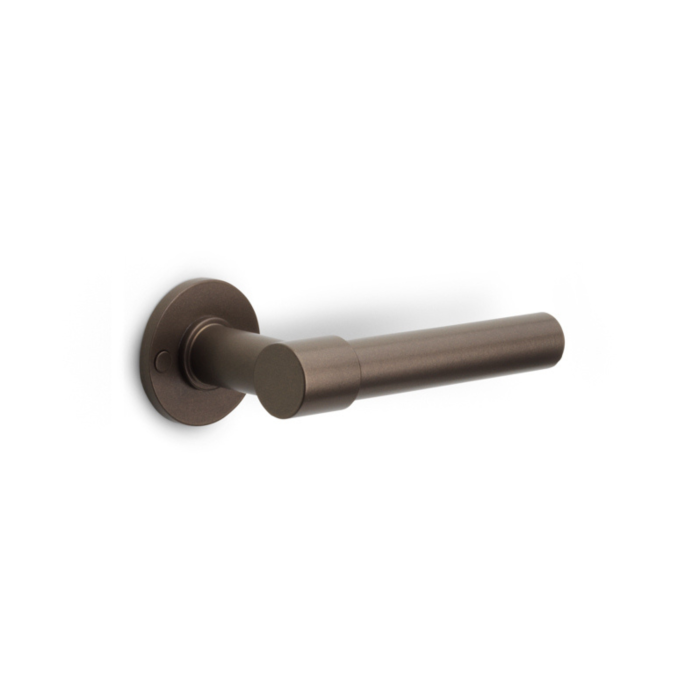
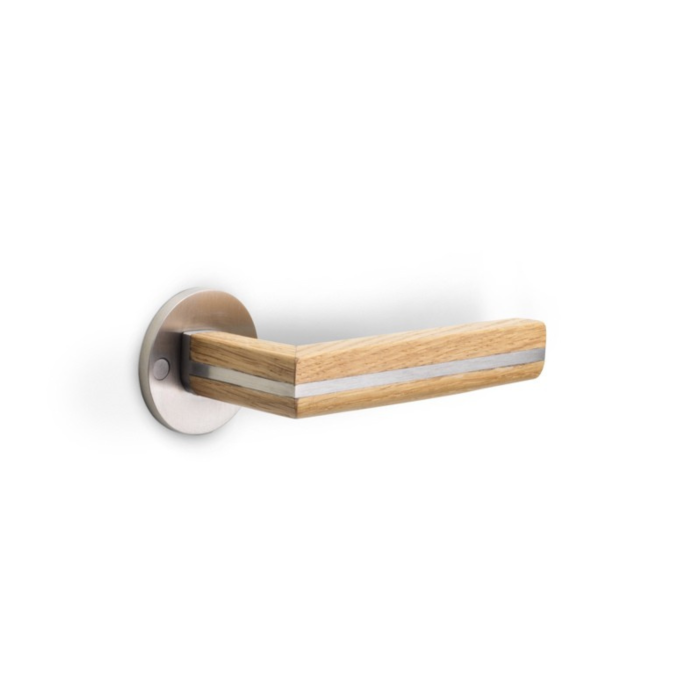
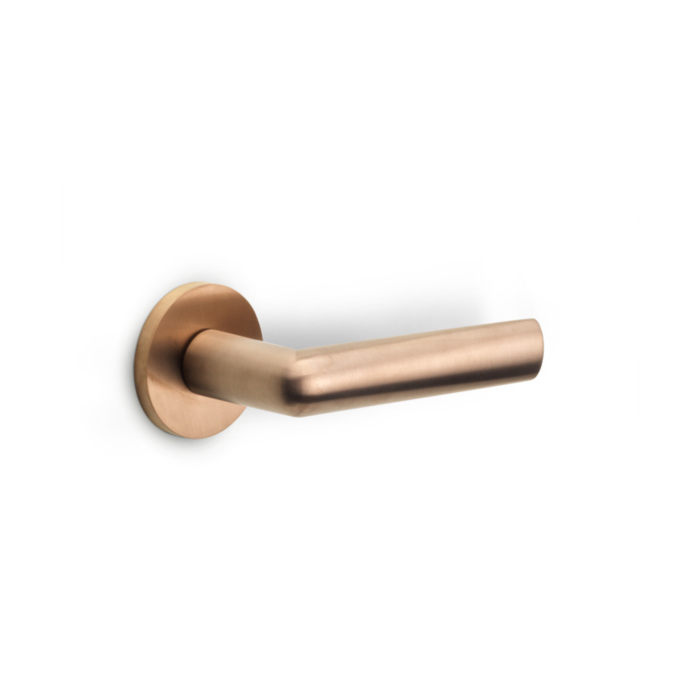
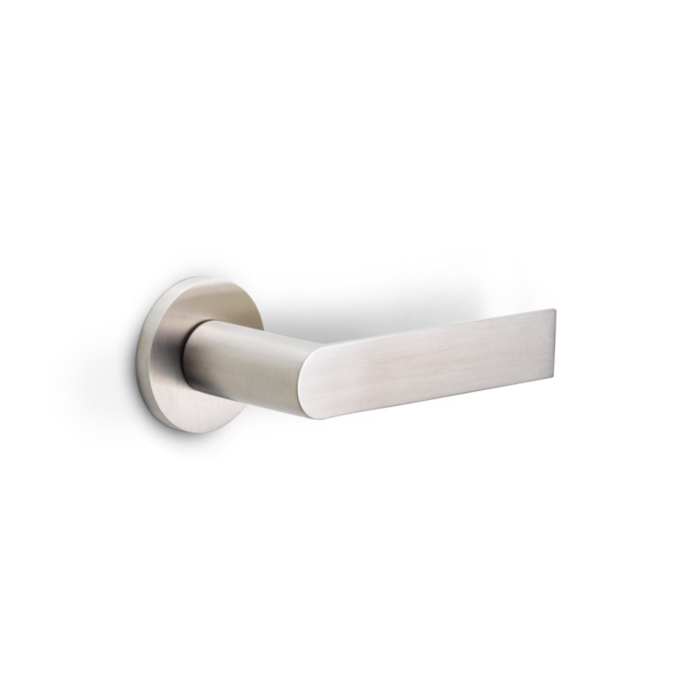
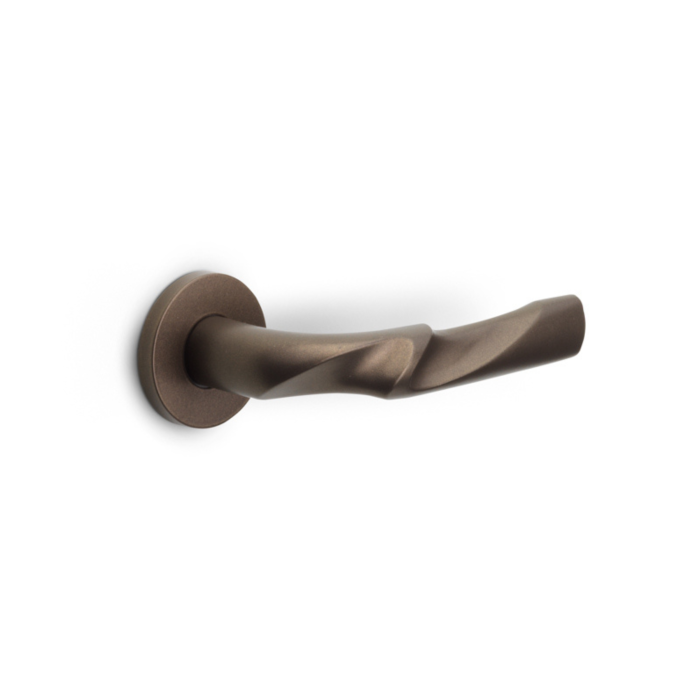
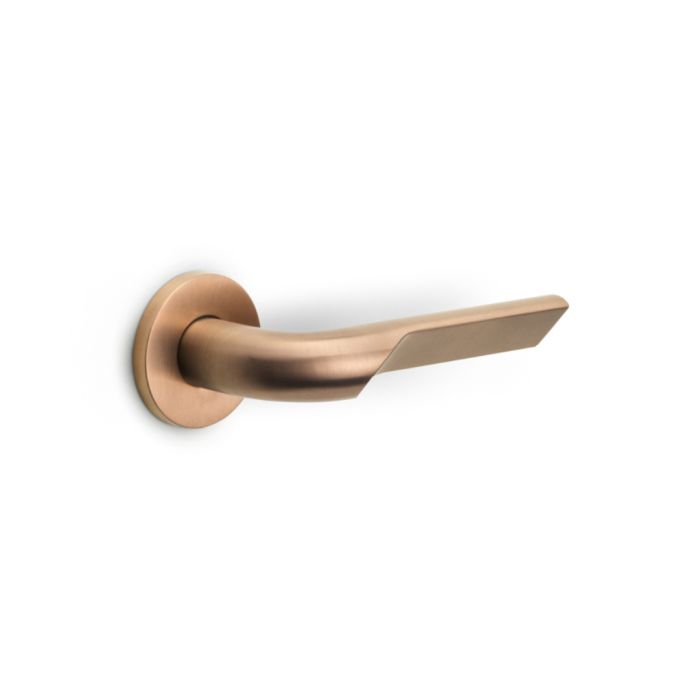
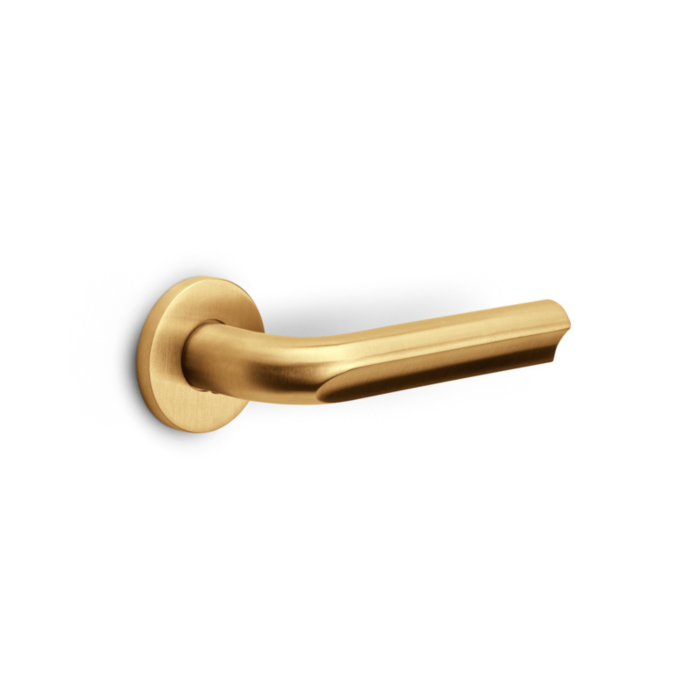
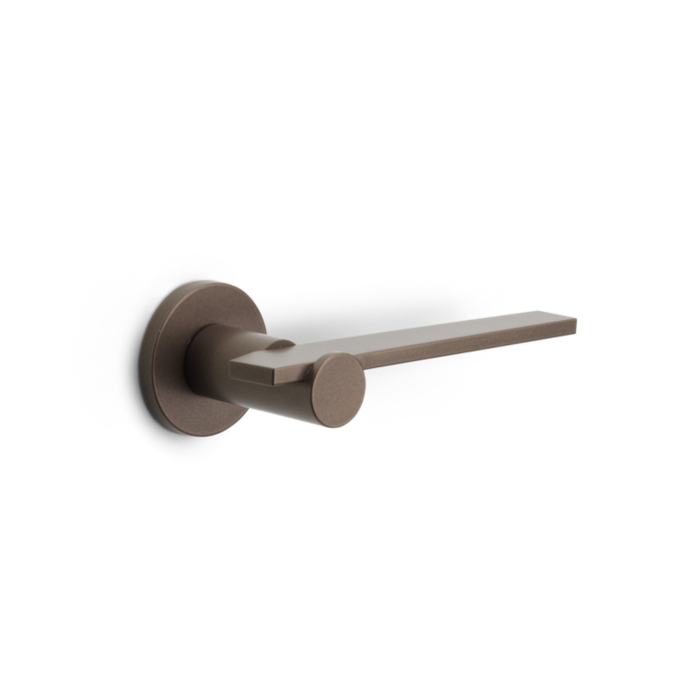
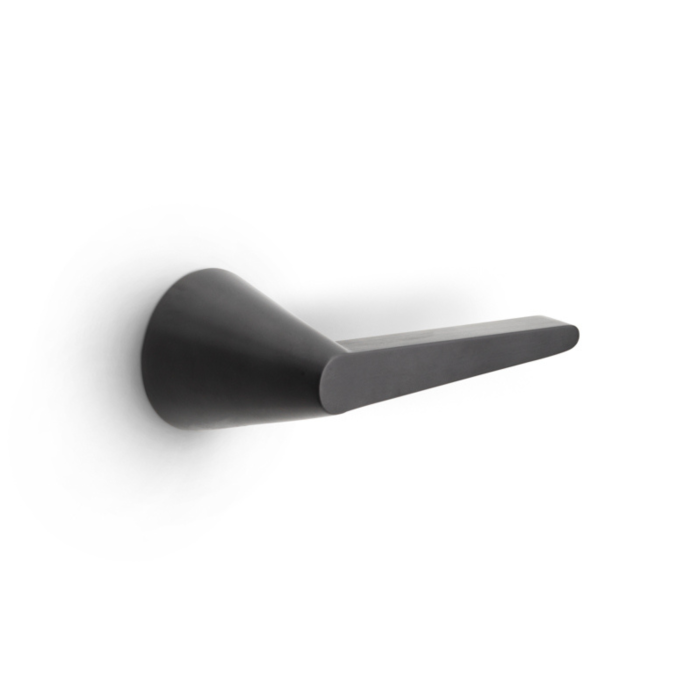
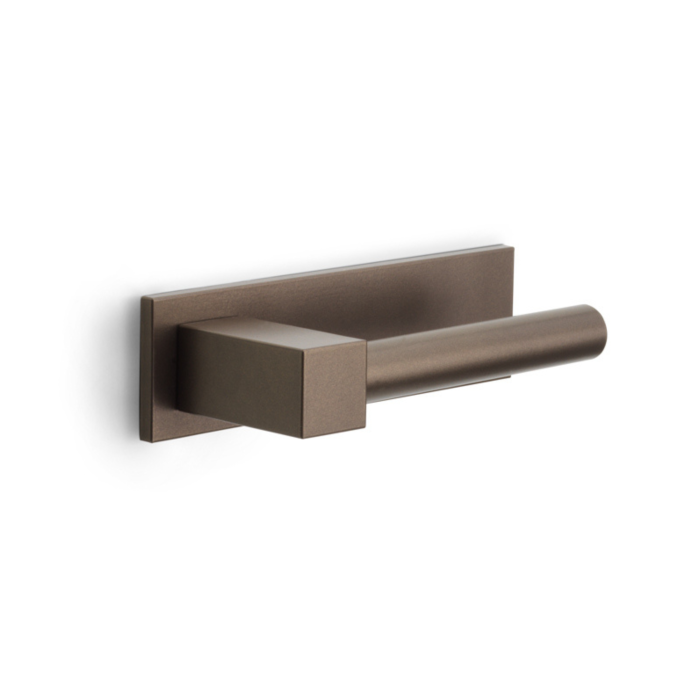
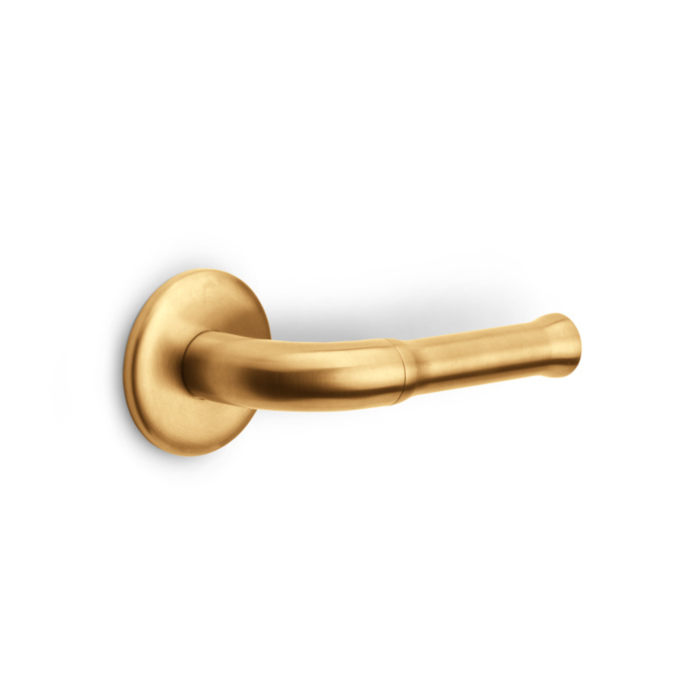
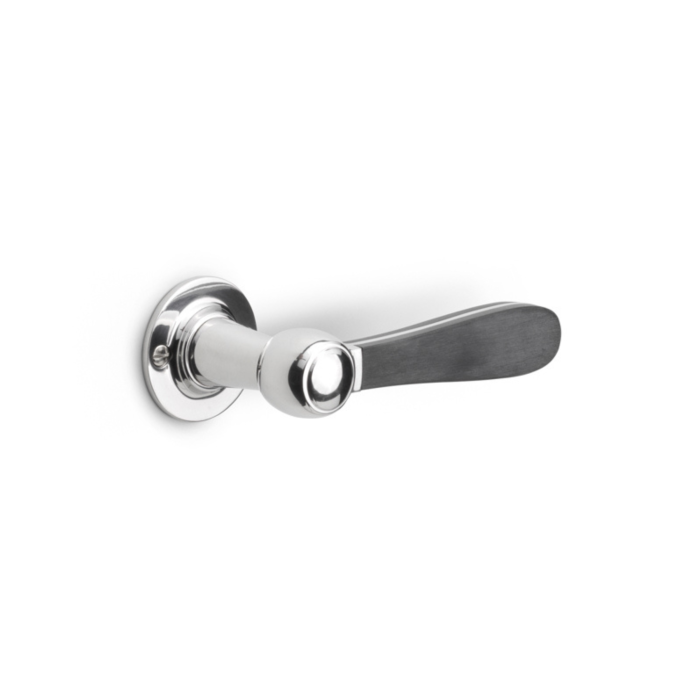
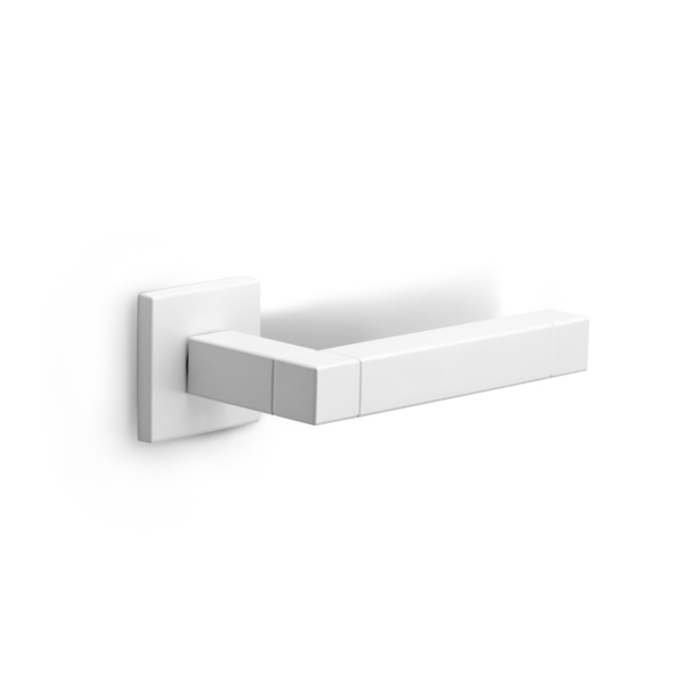
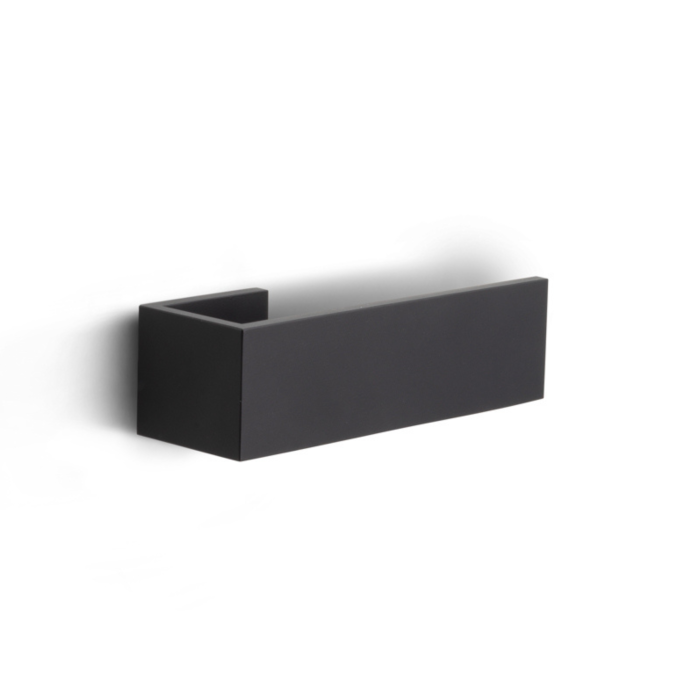
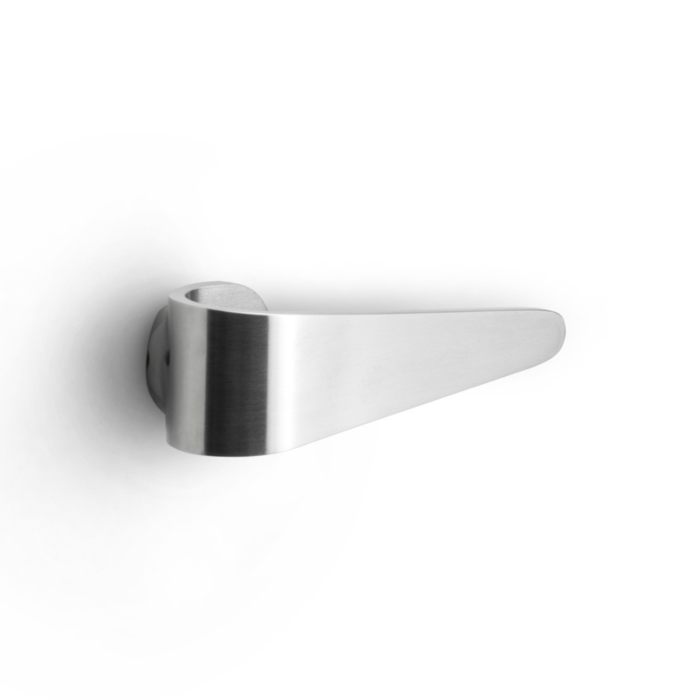
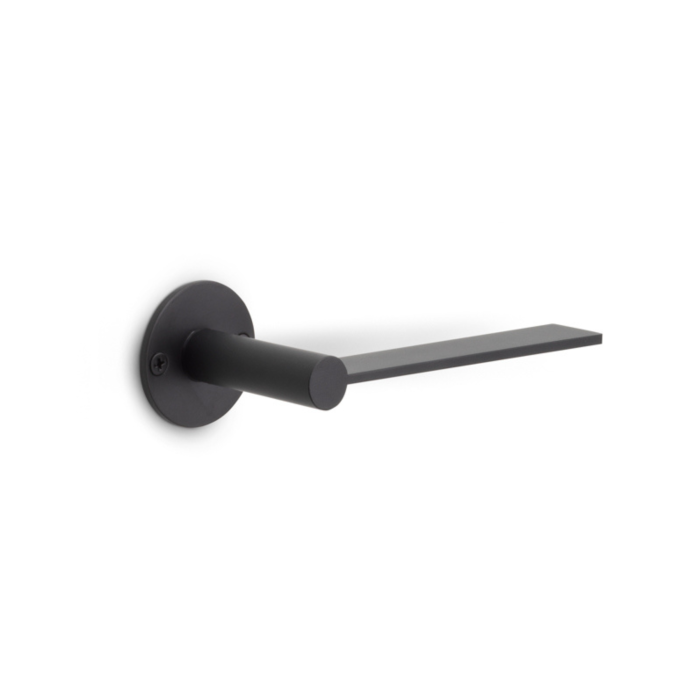
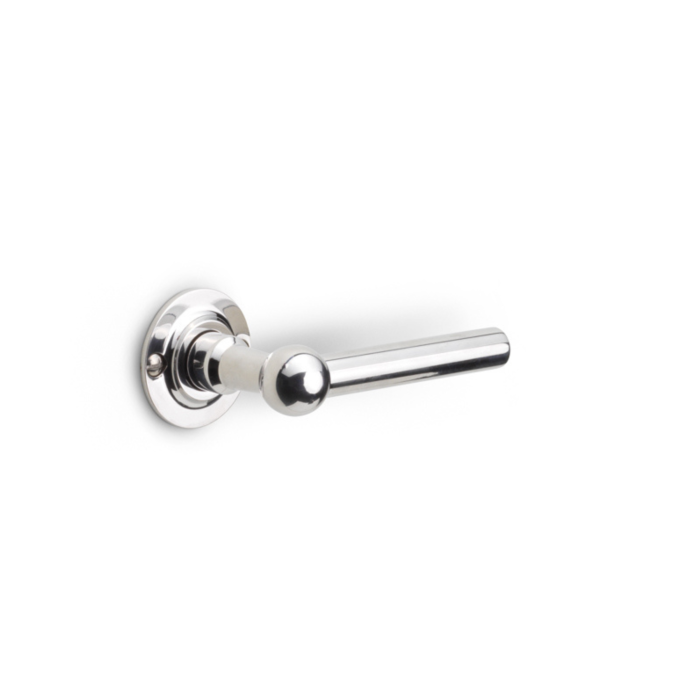
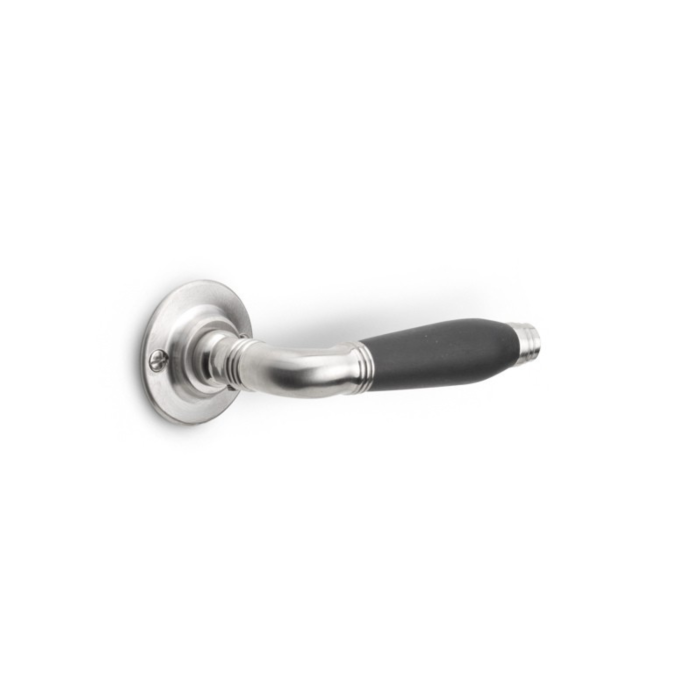
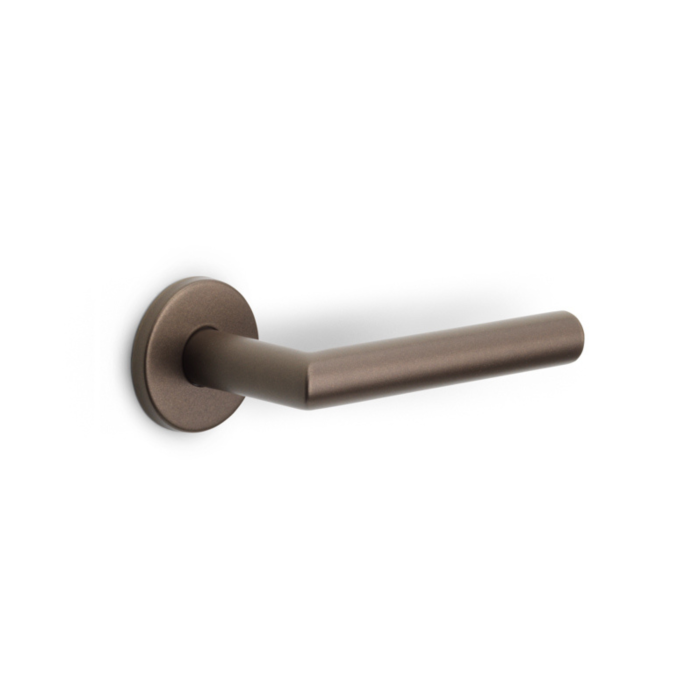
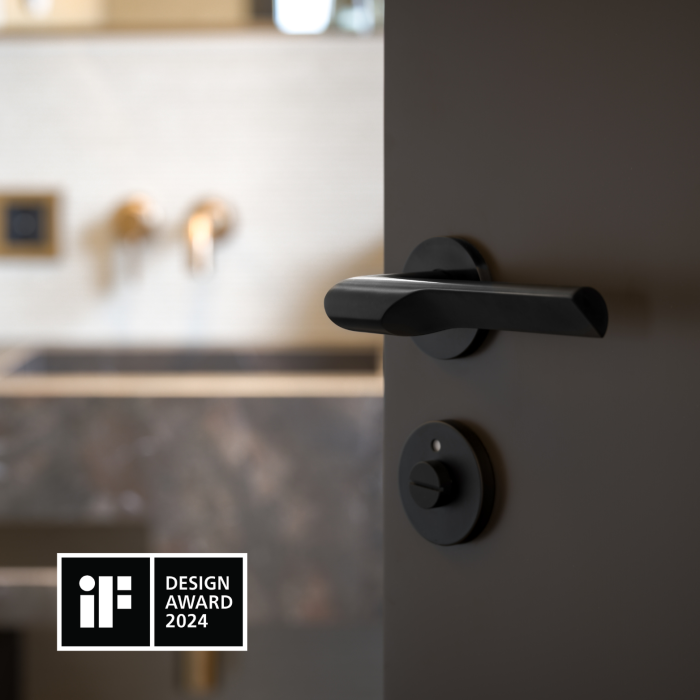
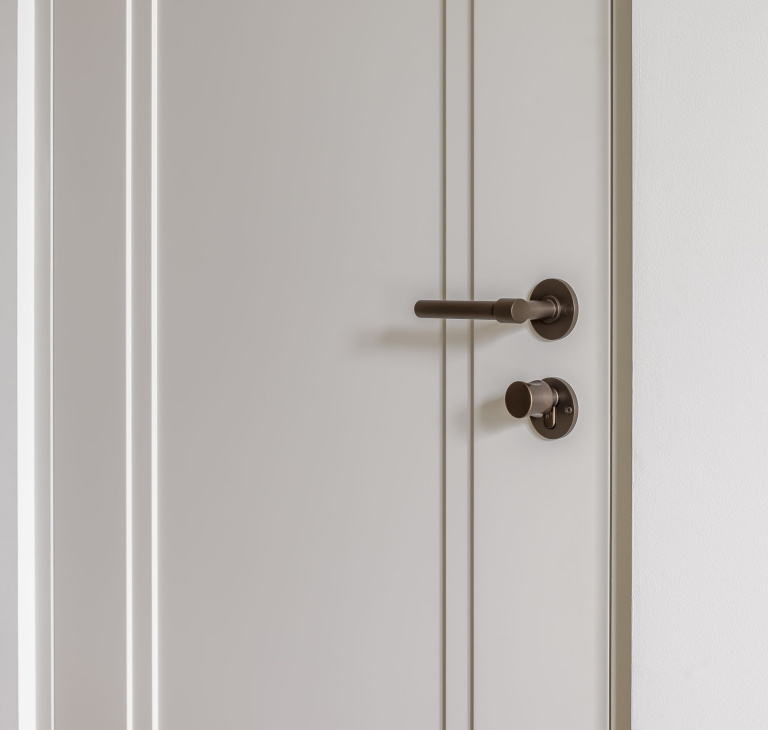
This is particularly evident in the way Studio Piet Boon approaches details. Door handles are a good example. They are touched dozens of times a day and often form the first physical interaction with a space. A handle should therefore feel intuitive — present, but never dominant.
“You use a handle throughout the day to enter a space. It should invite, not distract.”
Materiality and Sensory Quality
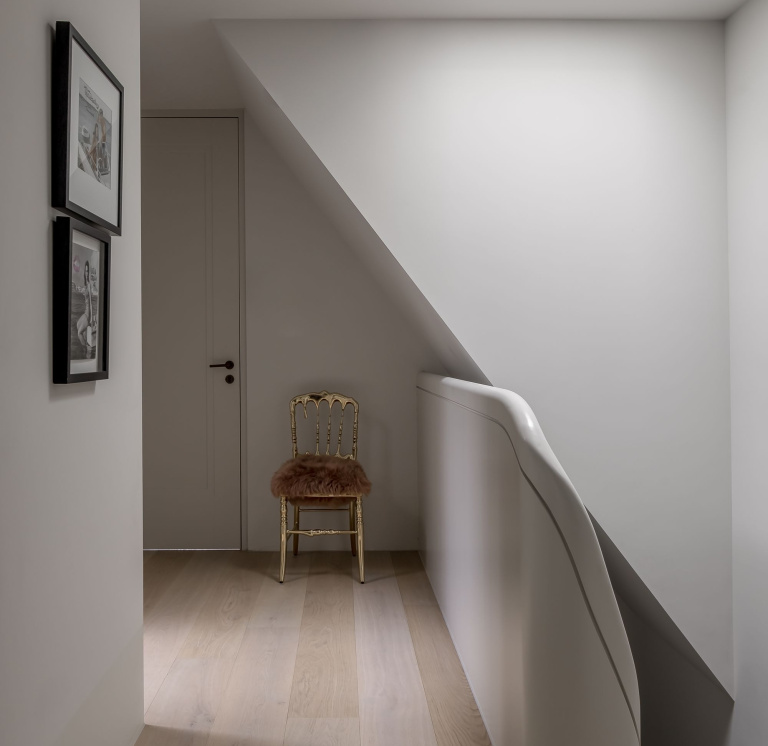
Consistent design principles ensure that, although projects may differ, the underlying design motivation remains the same. Studio Piet Boon does not follow extremes and feels no need to constantly redefine what is ‘new’. This stability results in interiors that radiate calm and remain balanced. Precisely because of this quiet foundation, elements such as art and styling accessories can change over time without disrupting the overall cohesion.
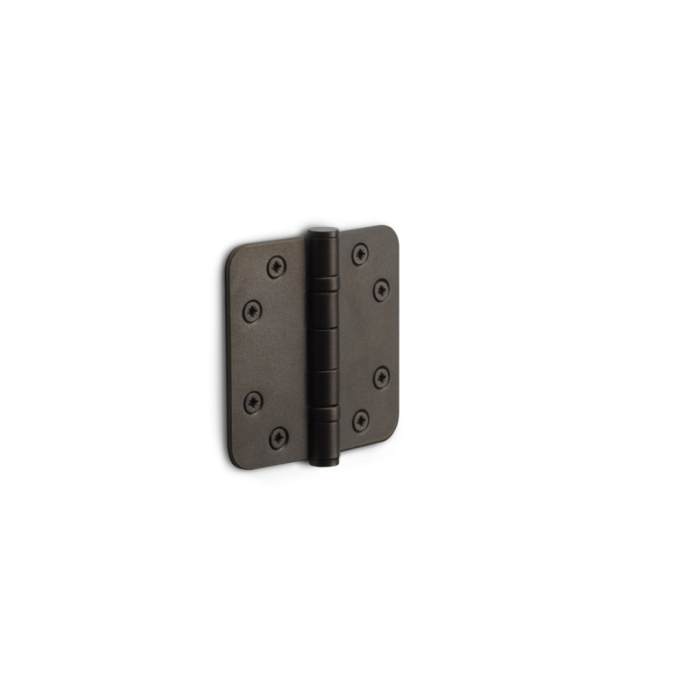
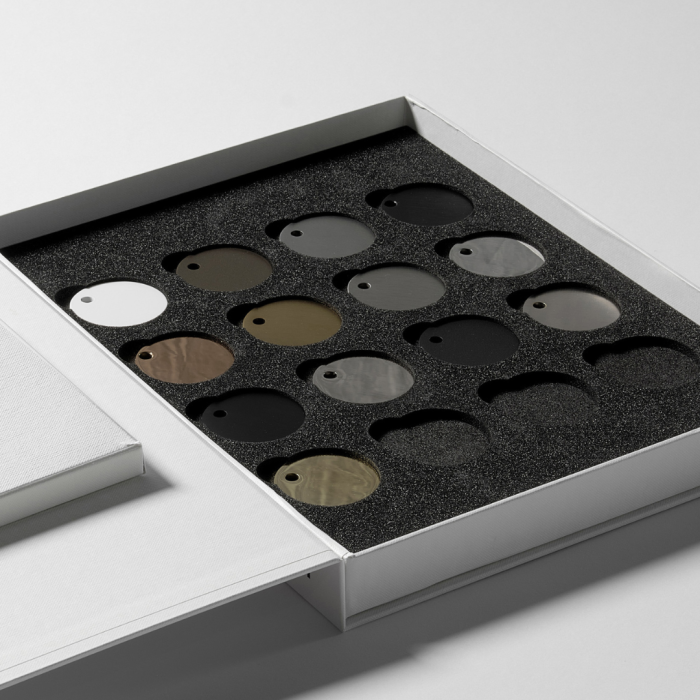
Material choices are also made from a long-term perspective. First impressions are not decisive; rather, it is how a material behaves over time. Signs of use are not seen as a loss of quality, but as a sign of life. A surface that subtly changes through touch and use adds depth and character to an interior.
Sensory quality plays a key role here. Weight, balance, and resistance determine how a door handle is experienced — often unconsciously, yet crucial to the sense of refinement. When something feels right in use, it remains relevant, regardless of visual preferences or stylistic developments.
Softer shapes and rounded lines are applied according to the same logic. Not because they are fashionable, but because they enhance usability. A curve is only introduced when a sharp edge compromises comfort.
Design Principles That Endure
Sustainability naturally follows from these choices. Designs that remain pleasant to use, age beautifully, and do not require replacement inherently contribute to longevity. Longevity is not a goal in itself, but the result of attention to detail and quality.
Although form continues to evolve, the underlying motivation remains unchanged.
Our designs evolve continuously, yet always result in a consistent and balanced outcome.

Bridging to the Design Shifts of 2026
The conversation with Studio Piet Boon shows how many of the design shifts towards 2026 have long been part of everyday practice. Less emphasis on visual statements, and more attention to use, materiality, and sensory experience.
Where the previous blog outlined the broader movement, this dialogue demonstrates how those principles translate into daily design decisions — into details that do not demand attention, yet endure.
No trends to follow, but design principles that stand the test of time.