







Door Hardware Trends 2026
Perhaps trends is no longer the right word. What defines design today is not a seasonal direction, but a growing preference for choices that last.
In 2026, attention shifts towards what remains meaningful over time — materials that evolve gracefully, details that reveal their quality through use, and spaces designed to feel right long after completion. These developments build naturally on directions that have been taking shape over the past few years, further refining how design responds to daily use and long-term relevance.
The reflections that follow explore how design is becoming more enduring, more considered, and ultimately more human.
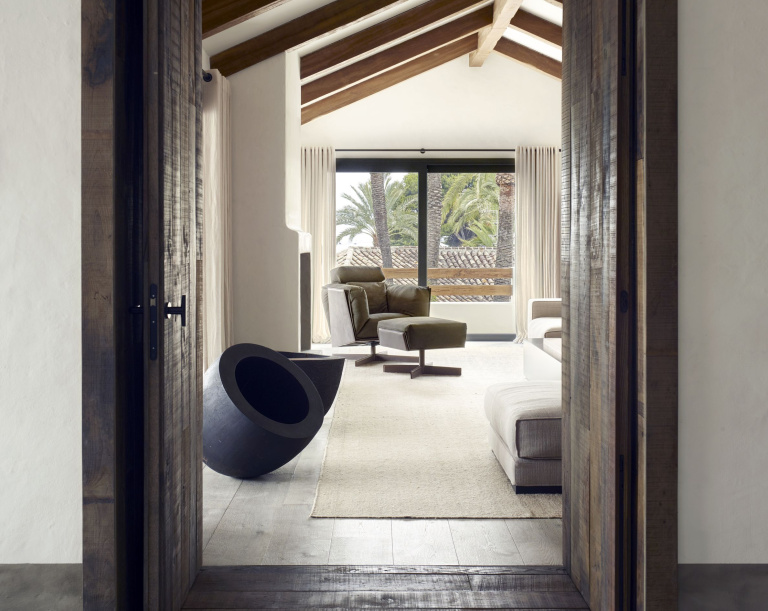
1. Subtle Material Expression
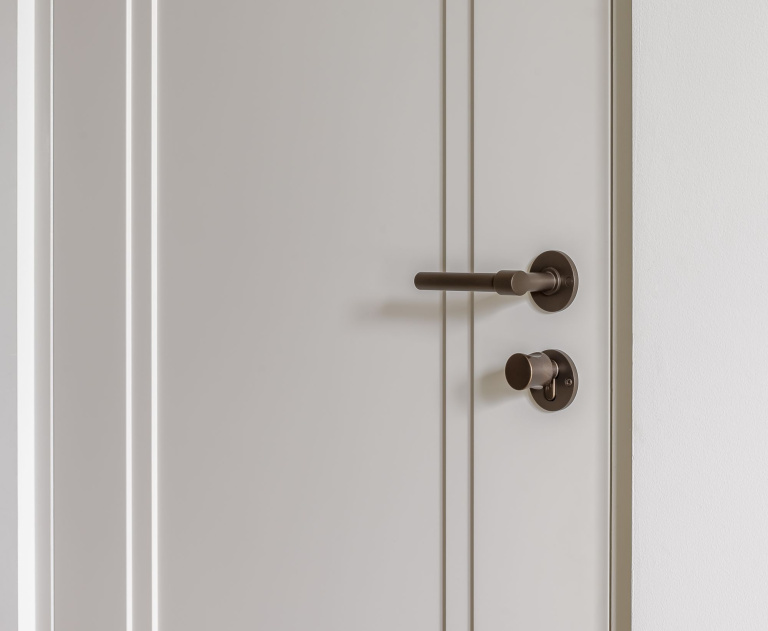
Over the past years, layering materials and textures has become a familiar design approach. What changes in 2026 is not the use of materials themselves, but the way they are allowed to speak. Instead of competing for attention, materials quietly define atmosphere.
Soft textures, matte finishes and surfaces that respond to light and use create depth without visual noise. The emphasis shifts from contrast to cohesion — where materials blend, interact and subtly evolve over time.
This approach proves equally relevant in restrained, tonal interiors as well as in more expressive designs driven by colour and contrast. In both cases, materiality provides balance — either by reinforcing calm or by grounding more outspoken compositions with tactility and depth.
2. Design That Engages the Senses
Design is increasingly understood as a sensory experience, not just a visual one. How a space feels — through touch, movement and interaction — becomes just as relevant as how it looks.
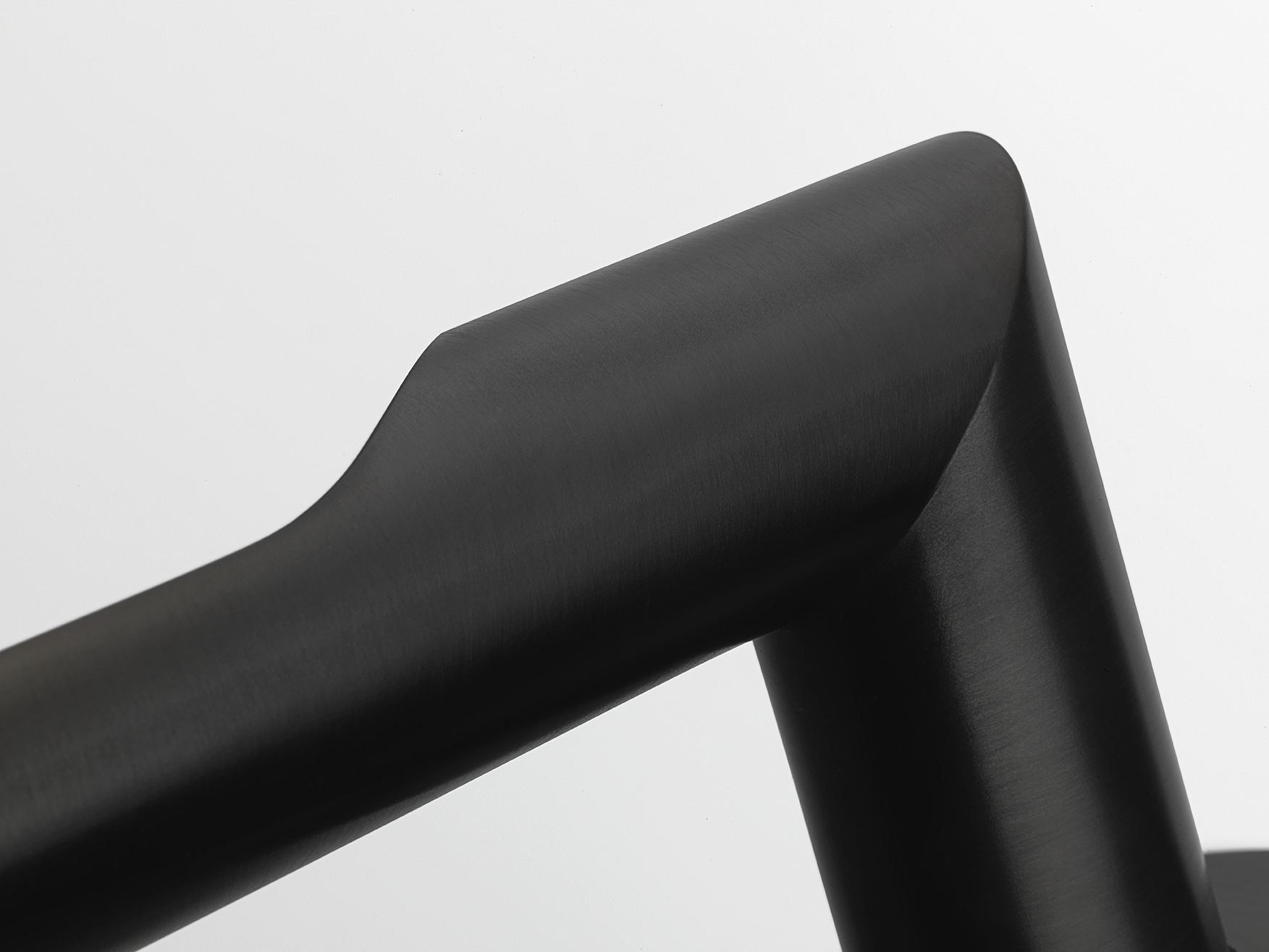
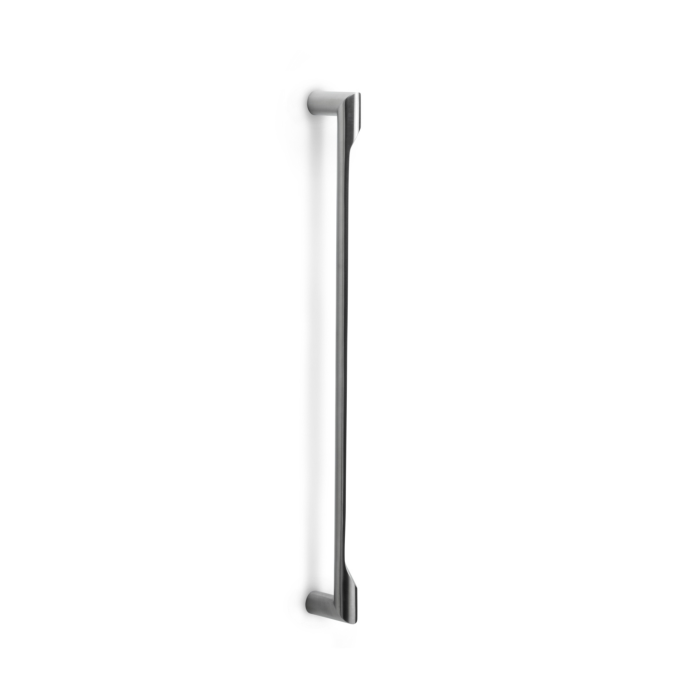
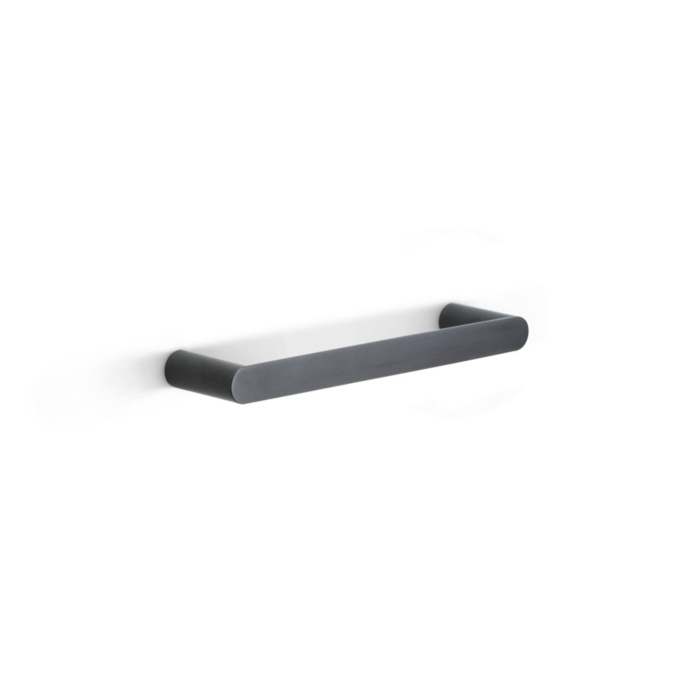
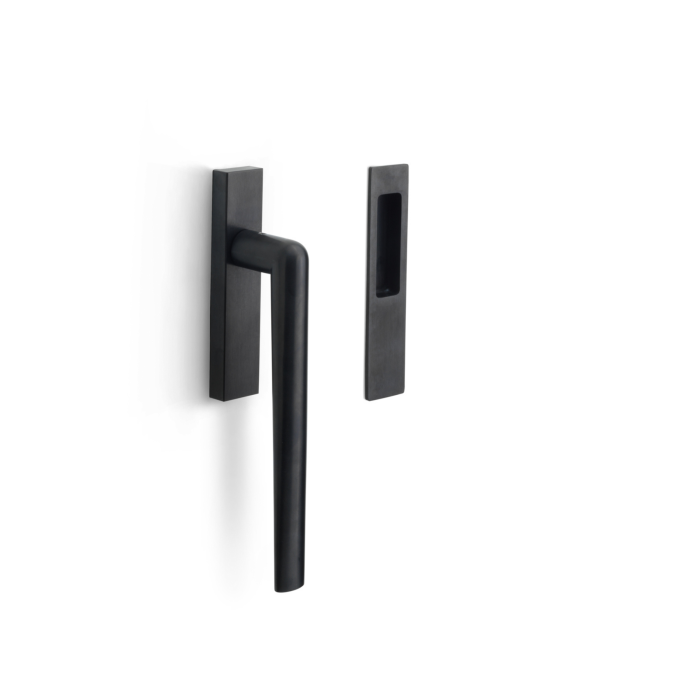
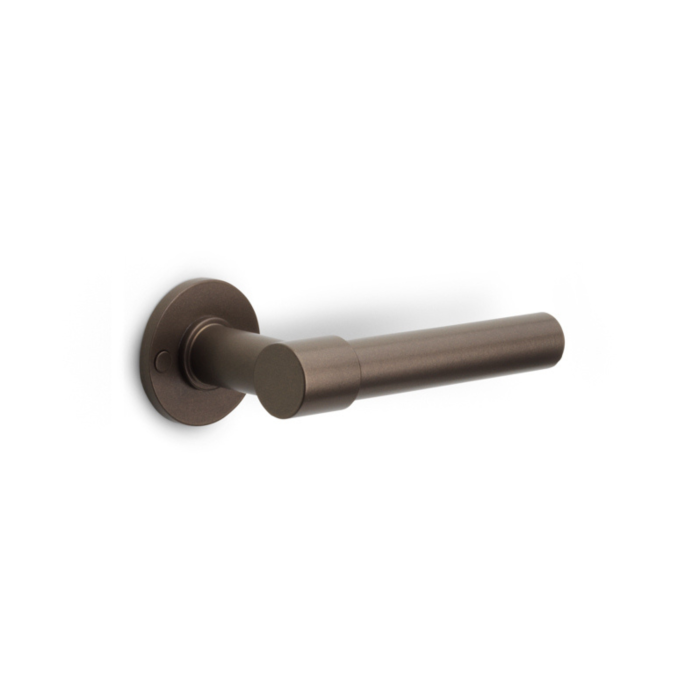
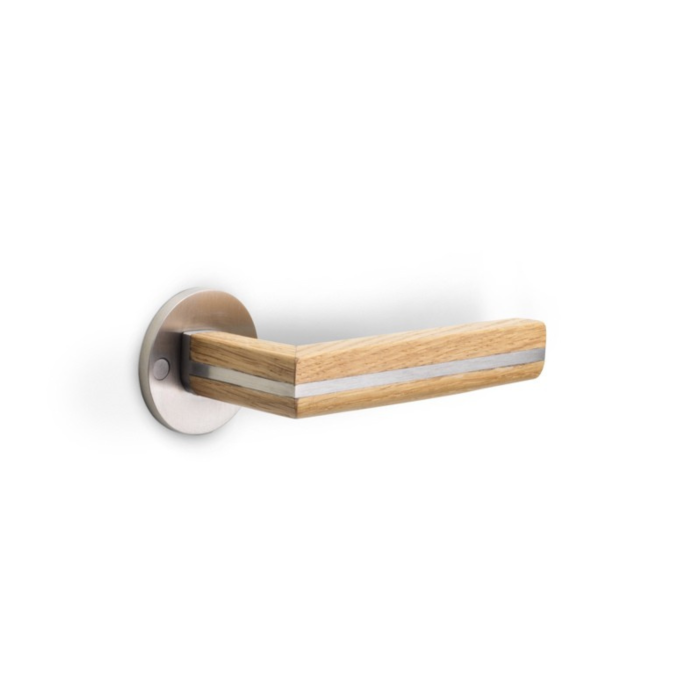
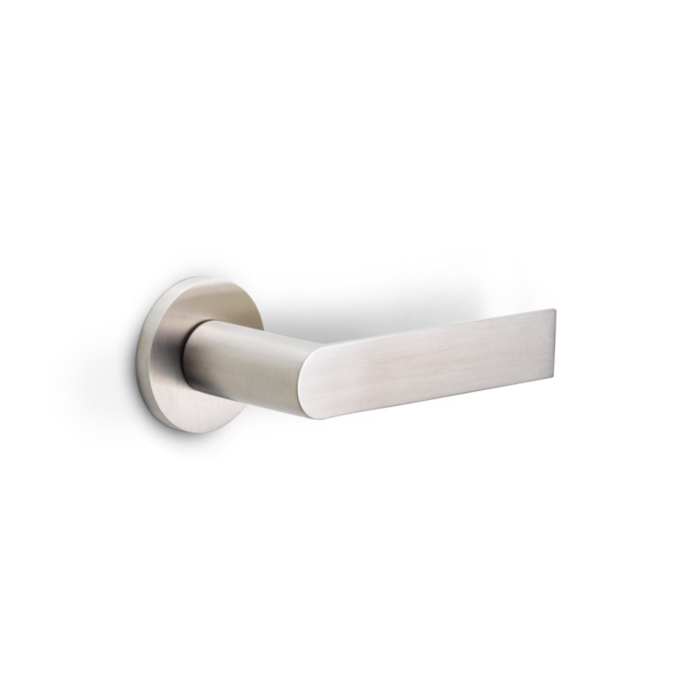
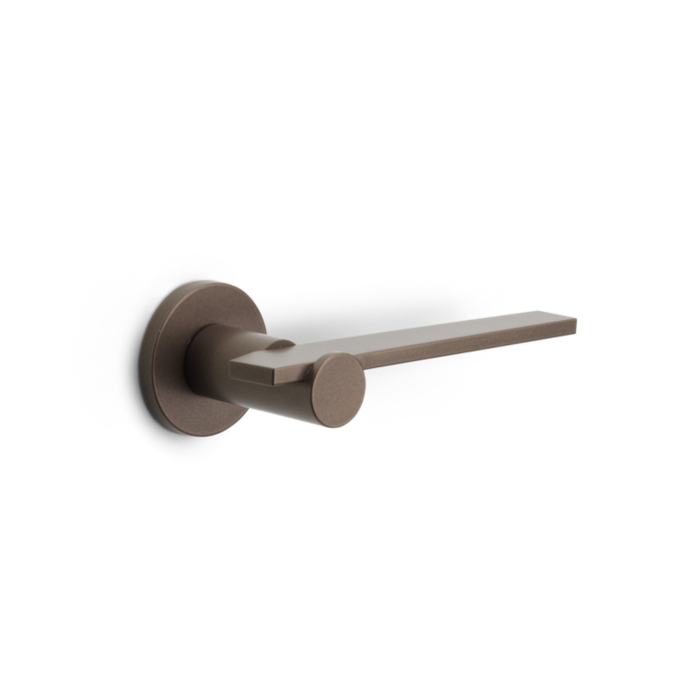
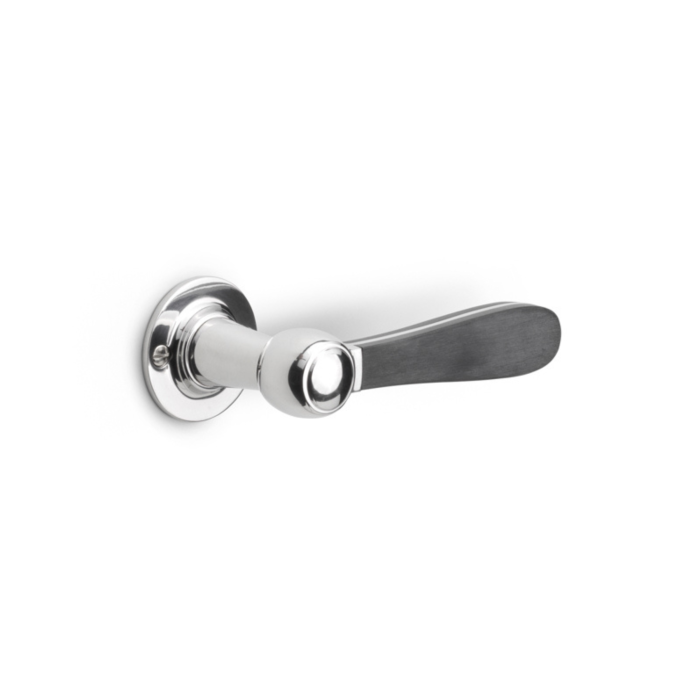
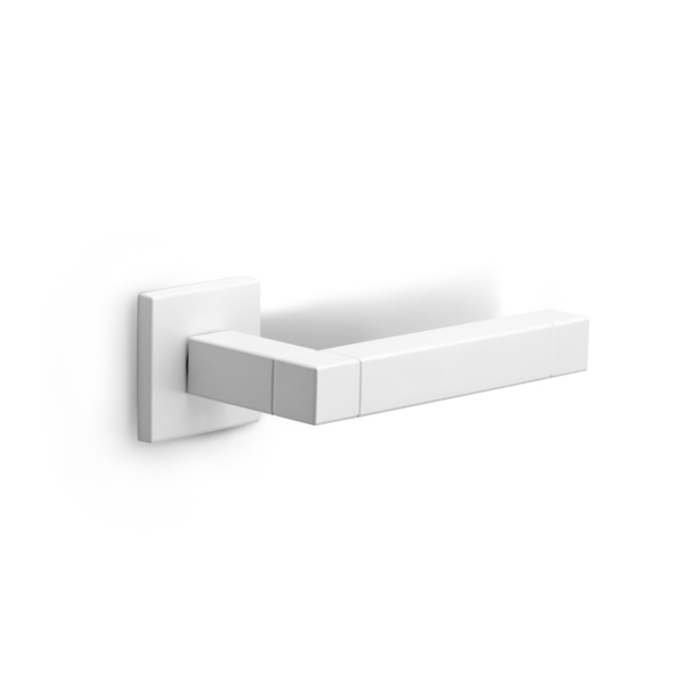
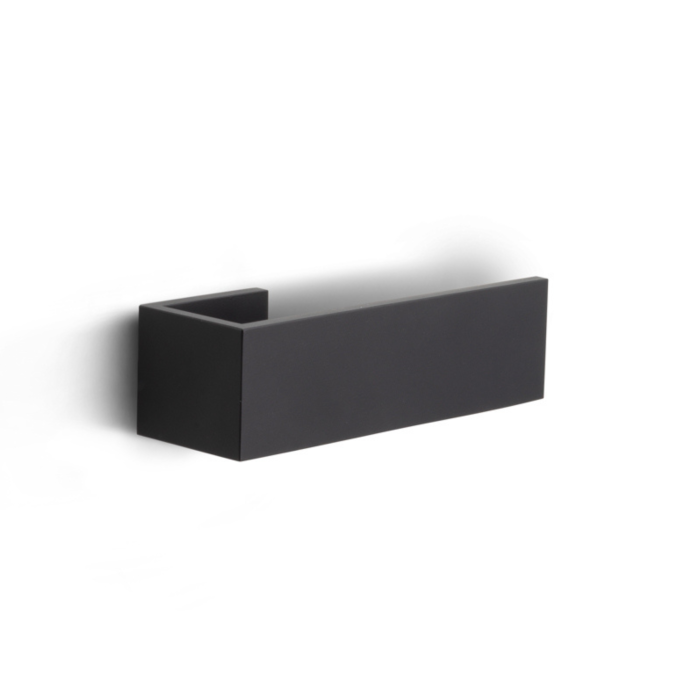
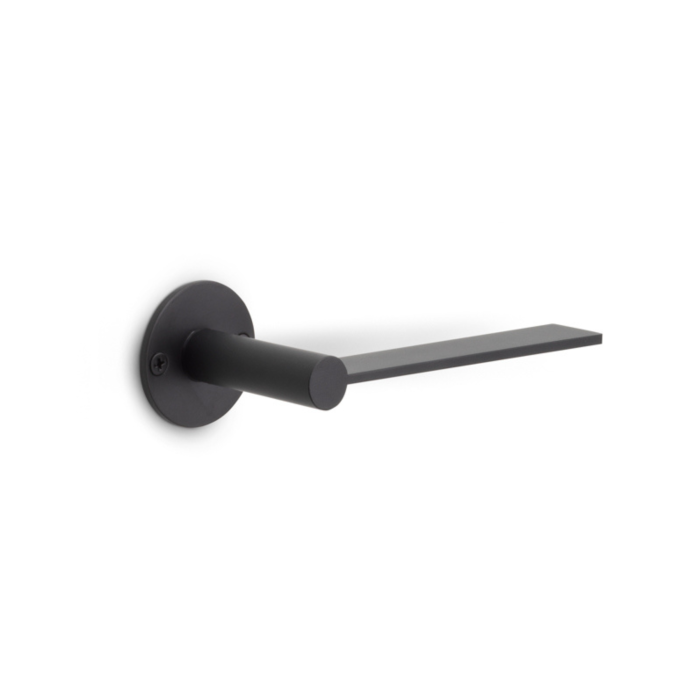
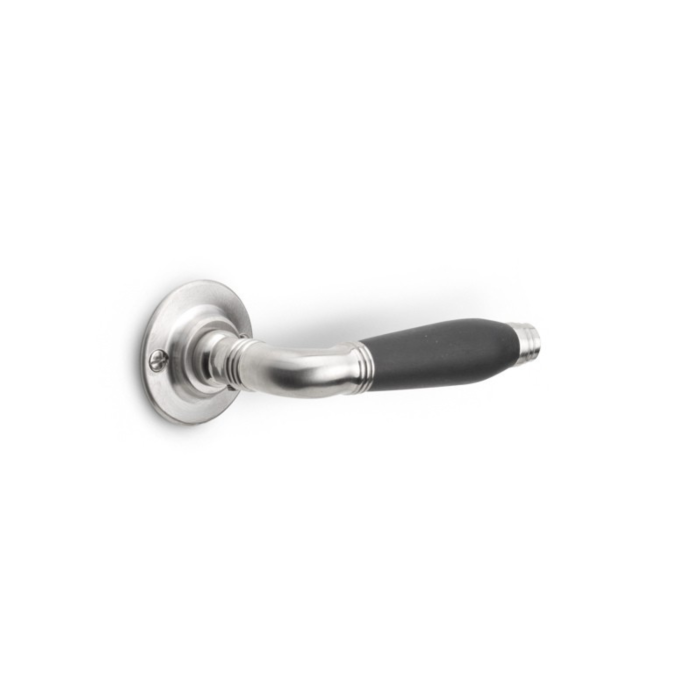
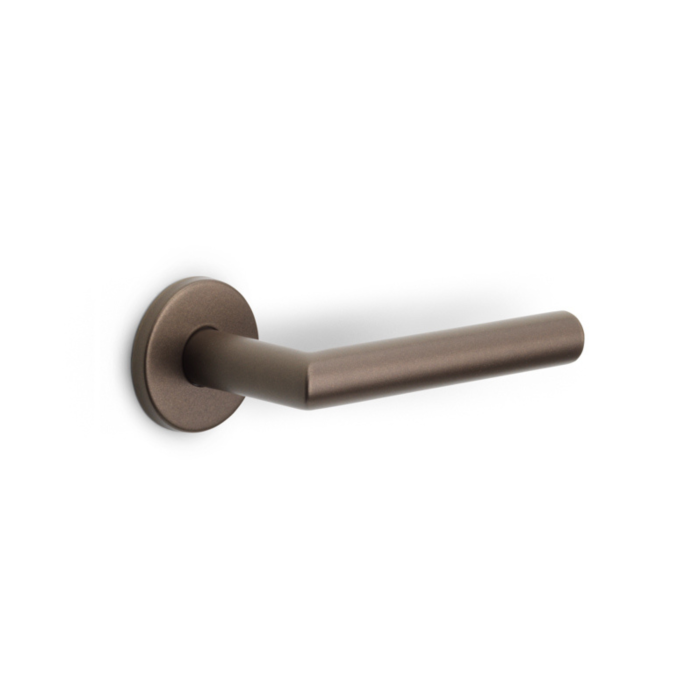
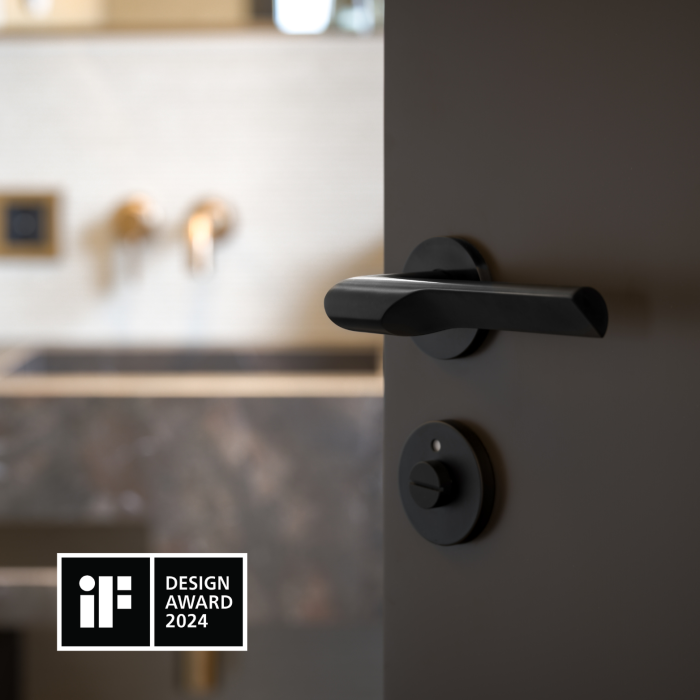
In detailing, elements like hardware quietly shape the first physical interaction with a space. Texture, weight and balance define how a handle settles in the hand. Even subtle differences in weight can influence how refined an element is perceived.
Finishes with a soft tactility or gentle sculptural quality integrate seamlessly into the wider material palette. Movement carries meaning as well: a controlled, quiet rotation often reflects precision and craftsmanship. Quality reveals itself in use, when an element feels intuitively right rather than visually dominant.
3. Longevity Over Trends / Sustainable luxury
In 2026, sustainability is less about messaging and more about decision-making. Longevity, material integrity and responsible production become the foundation, rather than an added layer.
Design that lasts — both technically and aesthetically — naturally reduces impact. Finishes that perform under intensive use, balanced proportions and durable materials support this mindset. Sustainability becomes a byproduct of quality, not a separate statement.
As a result, more attention is paid to how products are made — from material efficiency to reducing unnecessary waste — with selection increasingly guided by long-term use rather than short-term appeal.
Low-impact finishing techniques such as powder coating and PVD support this approach, combining durability with refined aesthetics. The focus lies on pieces designed for longevity and responsible material reuse throughout their lifecycle.
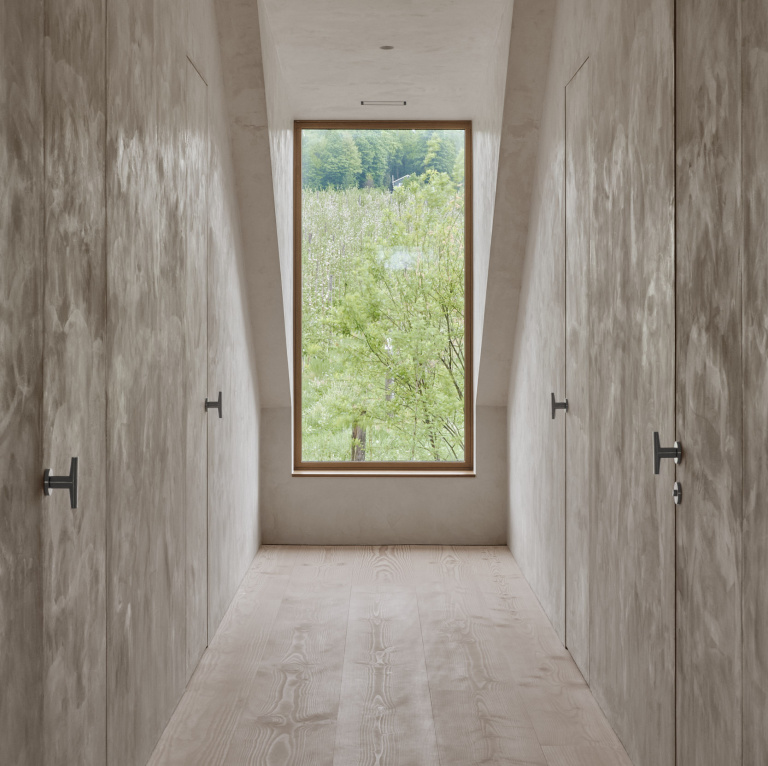
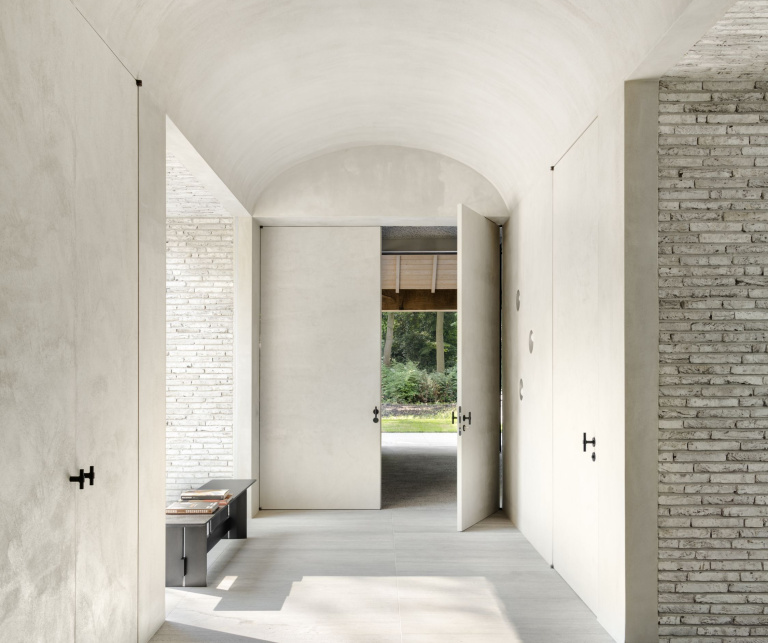
4. Soft Architecture
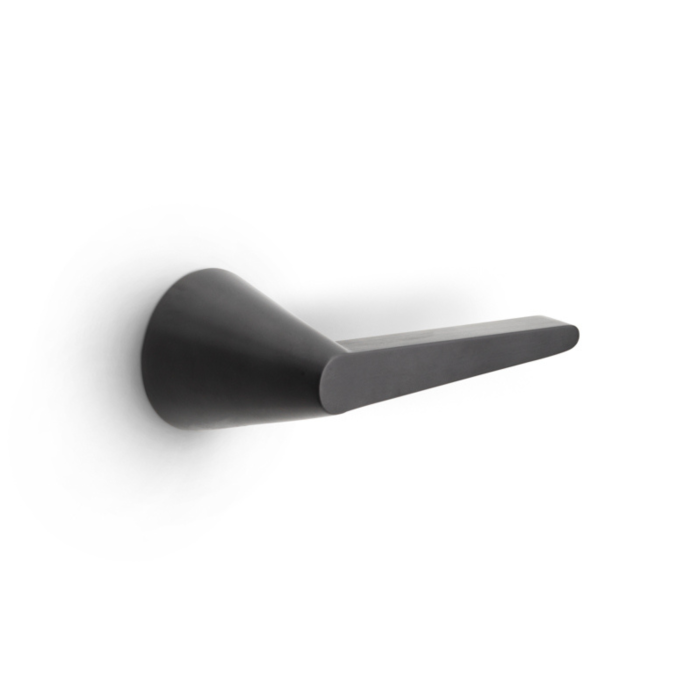
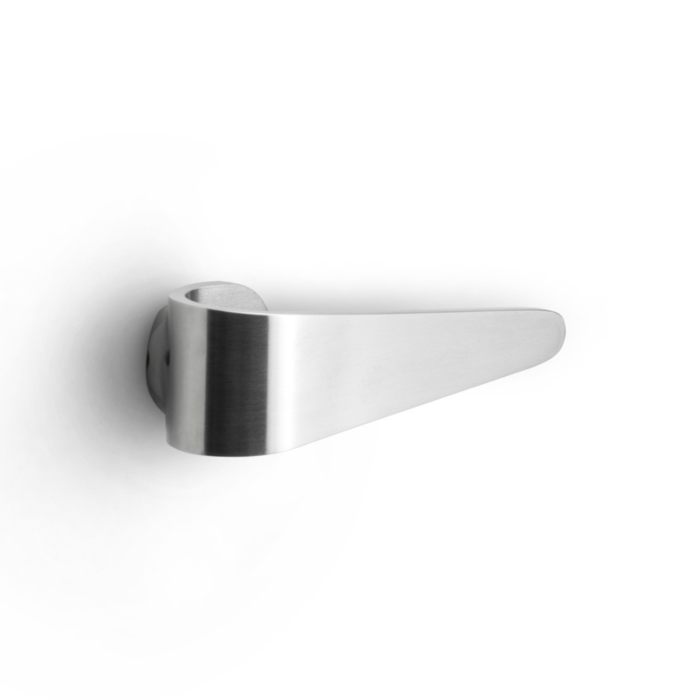
Architectural language continues to broaden. Alongside clean lines and restrained compositions, there is a growing appreciation for softer shapes, gentle curves and more fluid transitions.
This development is not purely aesthetic. Softer architectural gestures respond to how spaces are used and navigated, creating environments that feel intuitive and inviting. Movement through space becomes more natural, and elements relate to one another with greater ease.
The result is architecture that feels human — balanced, calm and open — where form and experience support one another rather than compete
5. Human-Centered Detailing
Attention is increasingly shifting towards the details that shape everyday use. Not as visual accents, but as elements that quietly support how a space is experienced on a daily basis.
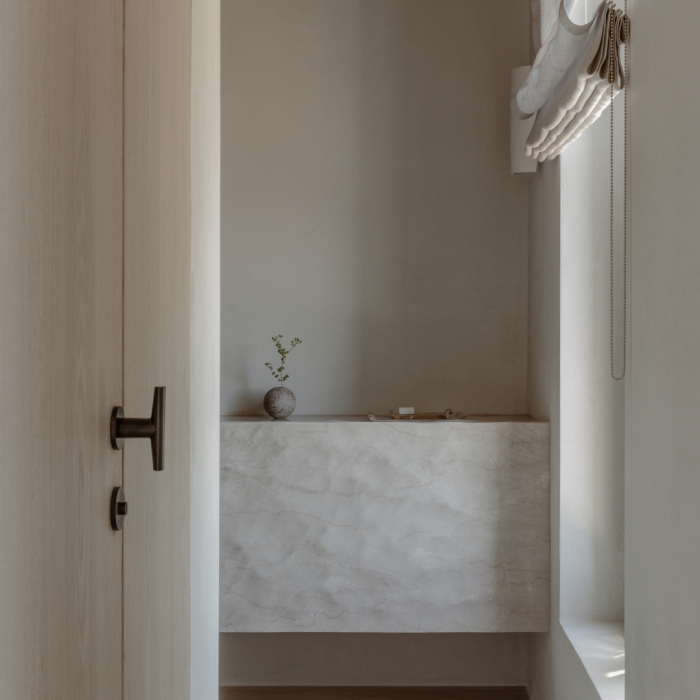
When materials, proportions and finishes are considered consistently — from hardware to furniture and fittings — a space gains clarity and ease. Refinement emerges through cohesion rather than emphasis, allowing even the smallest details to contribute without drawing attention.
Hardware becomes part of a wider material logic, selected for how it relates to the whole rather than for its individual presence. When details align both visually and tactually, spaces feel resolved, intuitive and comfortable to use.
6. Warm, Grounded Colour Palettes
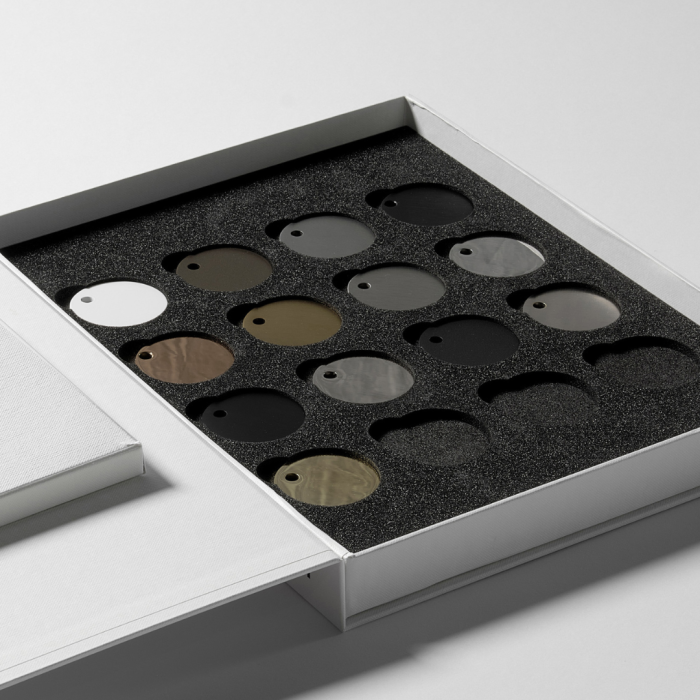
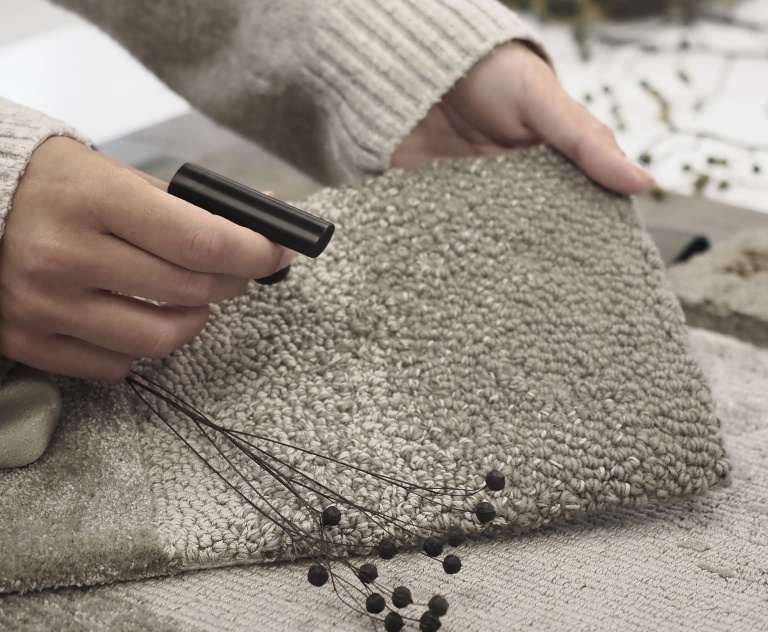
Colour palettes in 2026 continue to broaden. Alongside cooler contrasts and darker tones, warm, earthy hues and soft metallics are increasingly used to add depth and atmosphere to interiors.
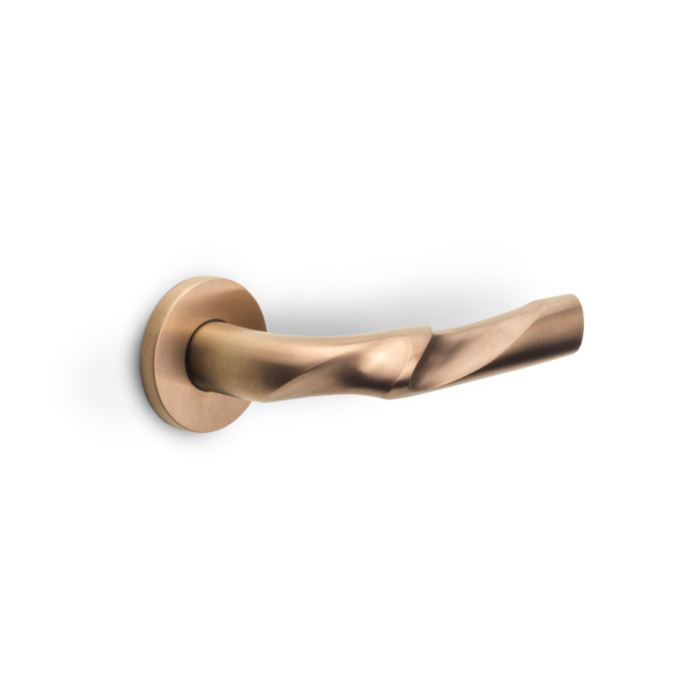
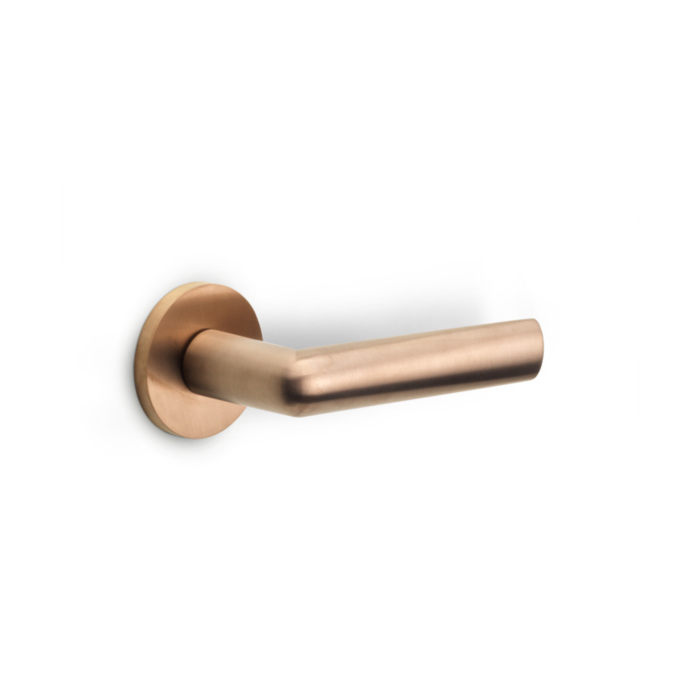
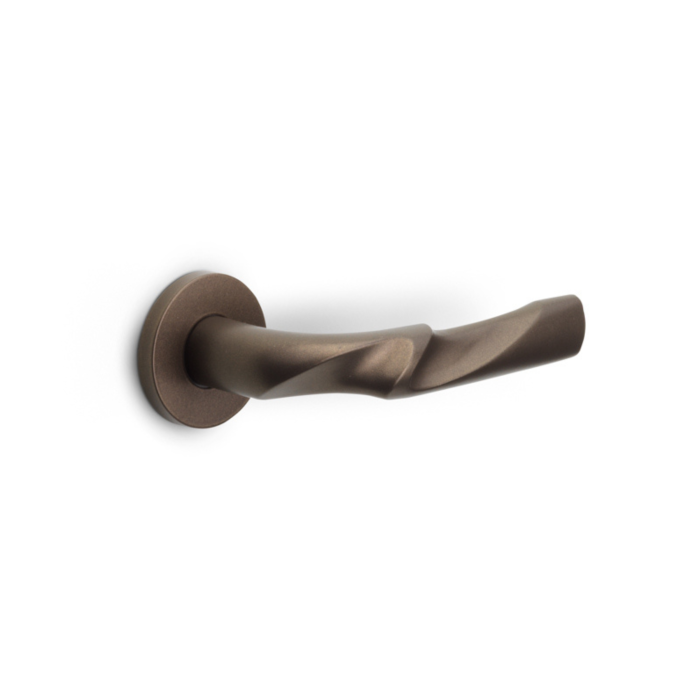
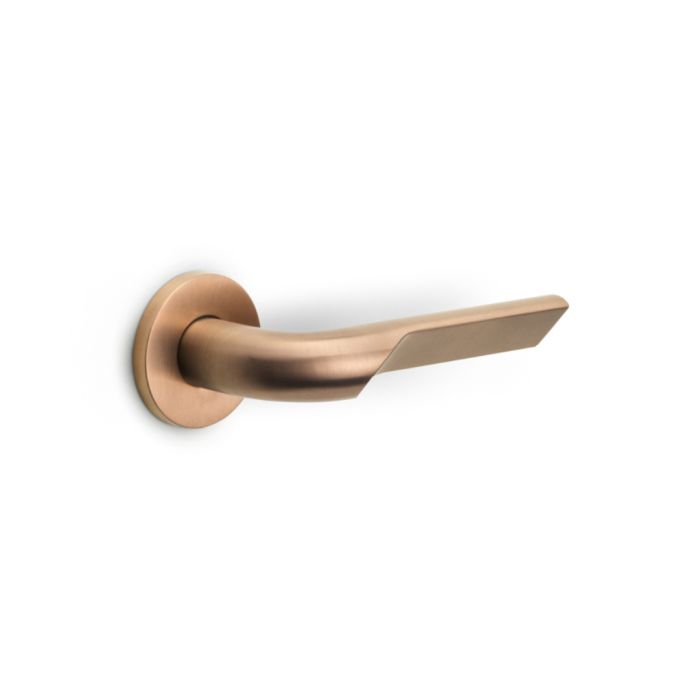
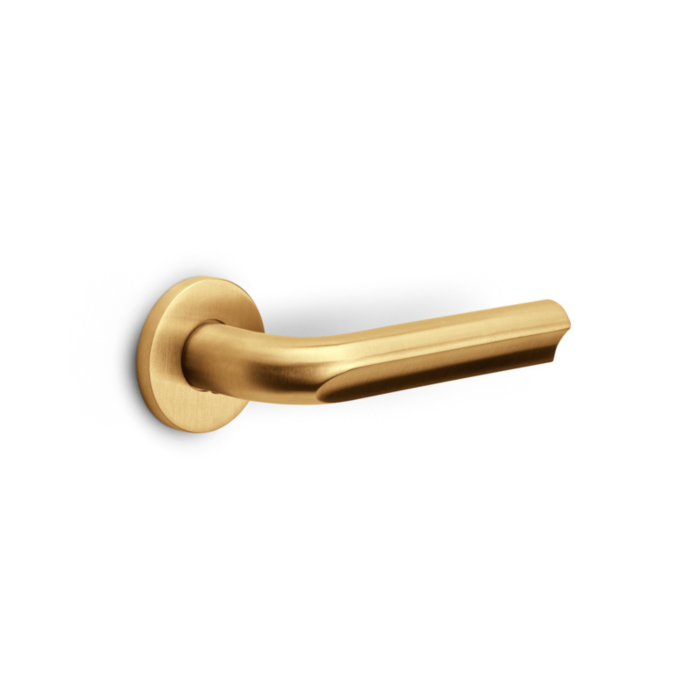
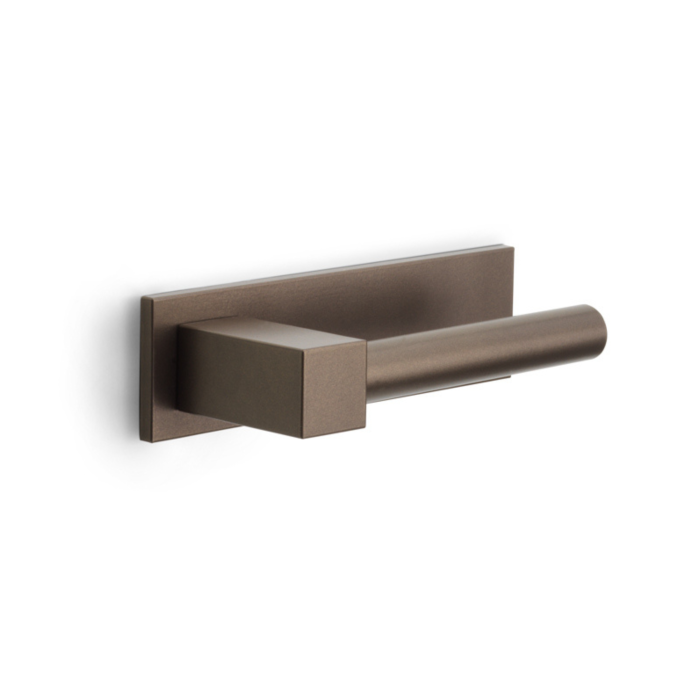
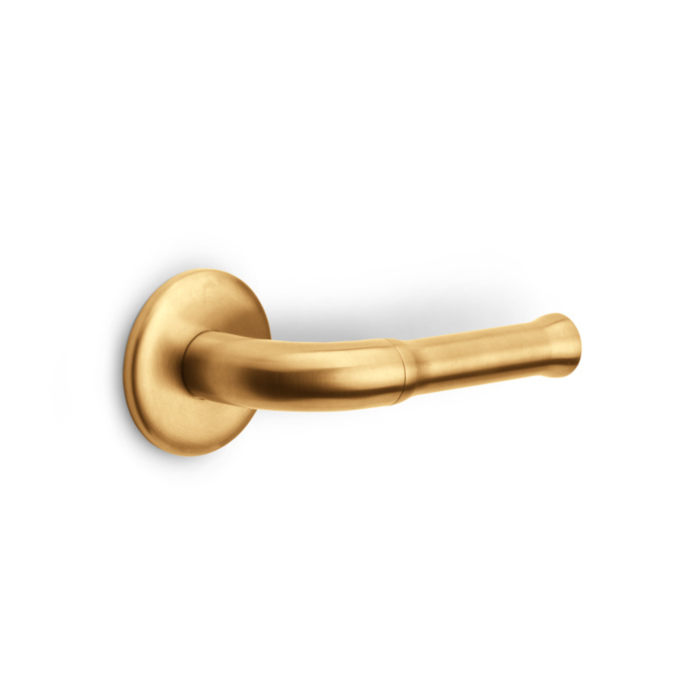
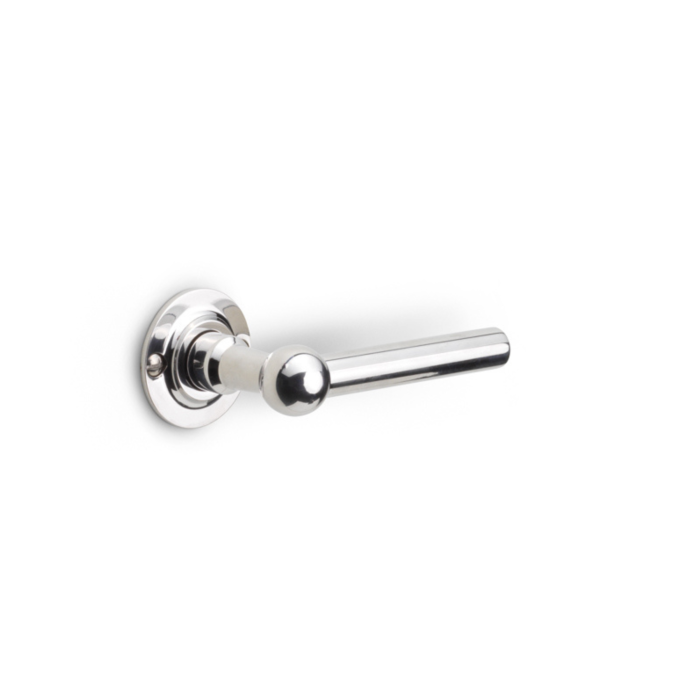
Warm metals such as soft bronze, gold and aged finishes introduce richness without overpowering a space. Their strength lies in subtlety — surfaces that respond to light, touch and time, gradually becoming part of the interior’s narrative.
Within this broader palette, different material languages coexist. Formani translates these warmer tones into contemporary finishes, developed through modern techniques that allow for precision, durability and a refined, understated expression. At the same time, JOLIE embraces a more traditional material approach, with finishes such as aged gold and aged bronze that gain character through artisanal processes and handcrafted variation.
Together, these approaches reflect how warm metallic tones can be interpreted in different ways — modern or heritage-driven — while remaining rooted in material awareness and long-term relevance.
Discover the world of handcrafted finishes at JOLIE and explore how aged gold and bronze bring depth, tactility and timeless character to interiors.
7. Consistency in Hospitality Design
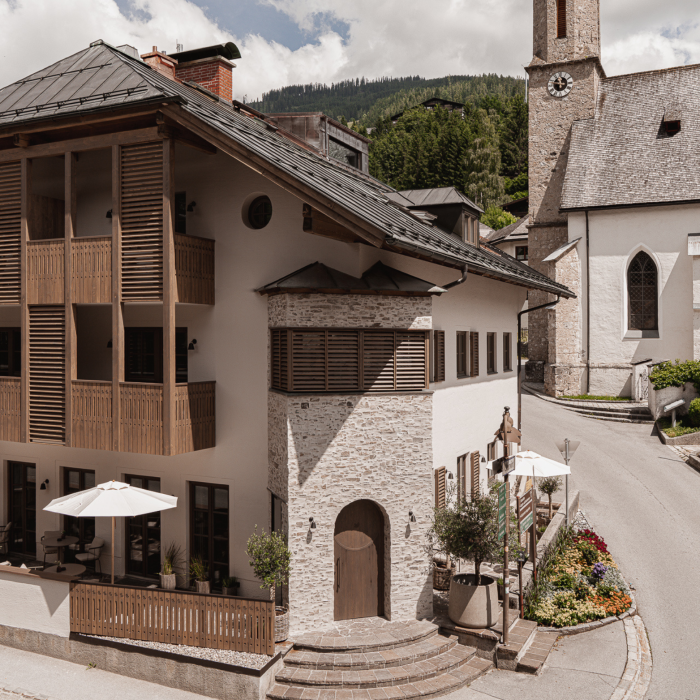
In hospitality environments, consistency increasingly defines quality. From public areas to private rooms, a coherent design language strengthens the overall guest experience.
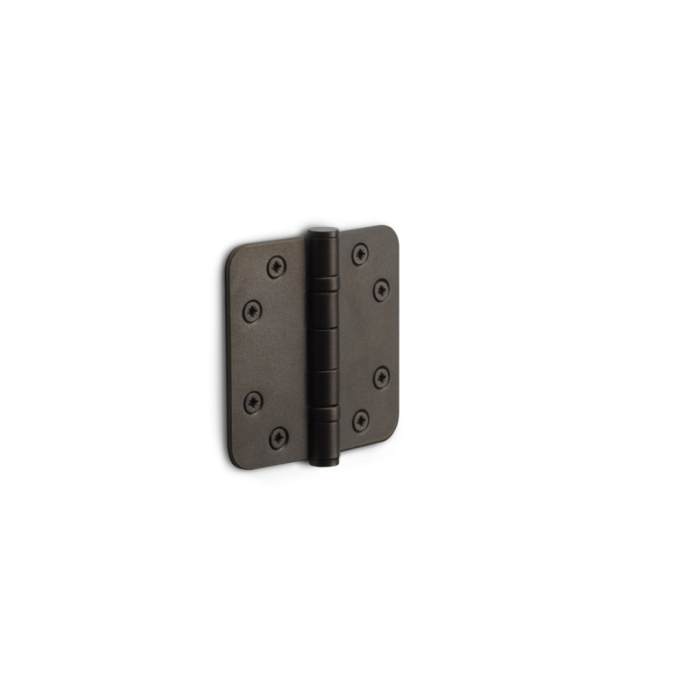
Details play a crucial role, especially in high-traffic areas where durability and aesthetics must work together. Hardware is touched countless times a day — making material choice, finish and performance essential to both longevity and perception.
When design decisions are carried through consistently across all touchpoints, spaces feel intentional and calm. The result is an environment that supports daily use while maintaining its visual integrity over time.
Perhaps also interesting to read:
Conclusion: Trends Shaping Tomorrow’s Spaces
The trends of 2026 reveal a shift towards more refined, personal, and sustainable design. It’s about the subtle details — from layering materials that add depth, to creating environments that engage the senses in a meaningful way. As design becomes more attuned to the way we live, the focus is on crafting spaces that feel natural, intuitive, and timeless.
The future of design is not just about what we see, but how it makes us feel and how it adapts to our needs over time. As we look ahead, the aim is clear: to design spaces that stand the test of time, inspire us daily, and evolve with the way we live.
Do these trends resonate with you, or is there another shift you see emerging in design? We’d love to hear your thoughts and continue the conversation on what’s next in design.
Looking Ahead
The design shifts shaping 2026 reflect a growing focus on refinement, longevity and everyday use. Rather than visual statements, it is the subtle decisions — in material, detail and performance — that increasingly define how spaces are experienced over time.
As design becomes more attuned to use and durability, spaces are shaped not only by how they look at completion, but by how naturally they support daily life and remain relevant in the years that follow.
Do these developments resonate with your own projects, or are other shifts emerging in your practice? We’d love to continue the conversation.
Perhaps also interesting to read: