



Fluid forms in architecture
Fluid forms have become a defining principle in contemporary architecture. Soft transitions, rounded volumes and continuous lines replace rigid compositions and sharp contrasts. Rather than dividing space, these forms connect it, creating interiors that feel calmer, more balanced and visually coherent.
This shift reflects a broader movement towards spaces that feel less constructed and more intuitive. Contemporary architecture no longer speaks in a single formal language, but in multiple expressions, from strict geometry to fluid continuity. Fluidity is not a replacement of structure, but an expansion of architectural language, one expression within a broader design spectrum.
From static form to spatial experience
For a long time, architecture was understood as something static. Straight lines, right angles, and clearly defined volumes provided order and clarity. Buildings were designed to be observed, as compositions that could be understood at a glance.
Over time, however, it became clear that space does not reveal itself in a single moment, but unfolds gradually. Architecture is experienced through movement: approaching, entering, using, and leaving. This insight formed the basis for a different way of thinking about form.
Form as a continuum
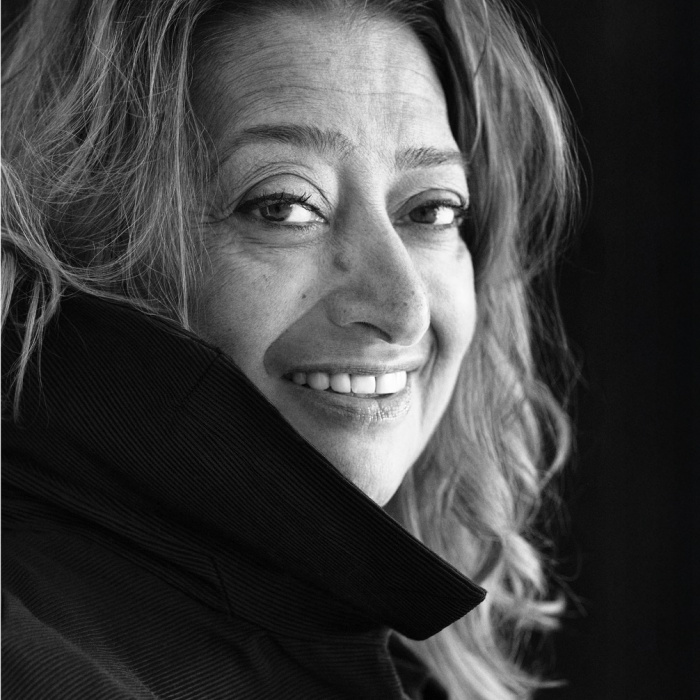
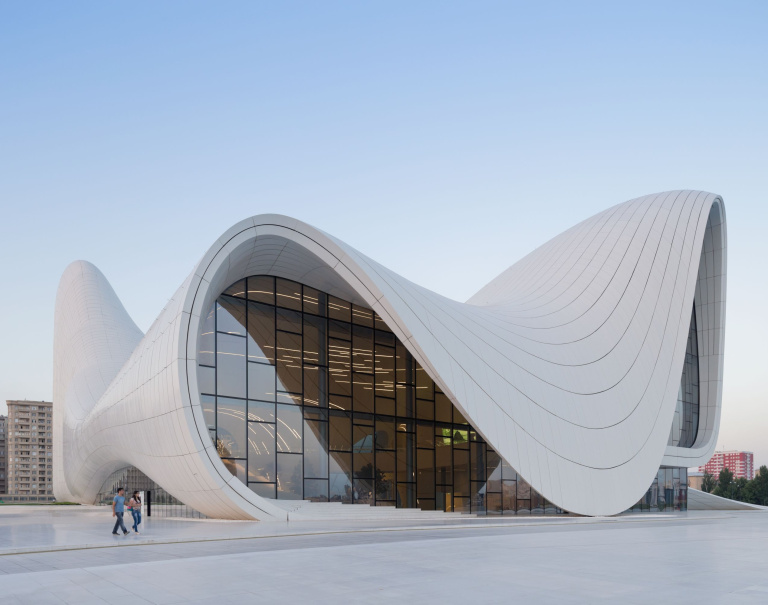
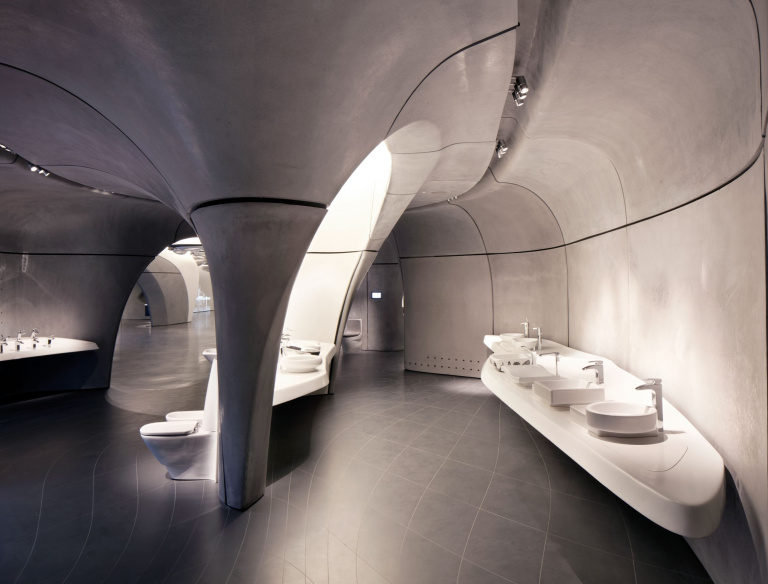
The work of Zaha Hadid marked a fundamental shift in this thinking. Her early studies presented architecture not as an assembly of separate elements, but as a single, continuous gesture. Geometry appeared to flow, stretch, and tilt, allowing space to be experienced as dynamic and evolving.
This approach was long considered confrontational and difficult to realise. Precisely for that reason, it expanded the architectural vocabulary. Form, movement, and space became inseparable, transforming architecture from an object into an experience.
Space is experienced through movement
Fluid forms cannot be fully understood through drawings or renderings alone. Their quality reveals itself in use. In the way a space does not impose direction, but suggests a sequence. In the way transitions soften and movement feels natural.
Architecture becomes a succession of moments, shaped by proximity, touch, and movement. And it is precisely in these moments that design becomes tangible.
The first touch
Within 0.3 seconds, the brain forms a judgement of quality. This judgement is based on weight, balance, and tactile feedback, before material or detailing is consciously perceived.
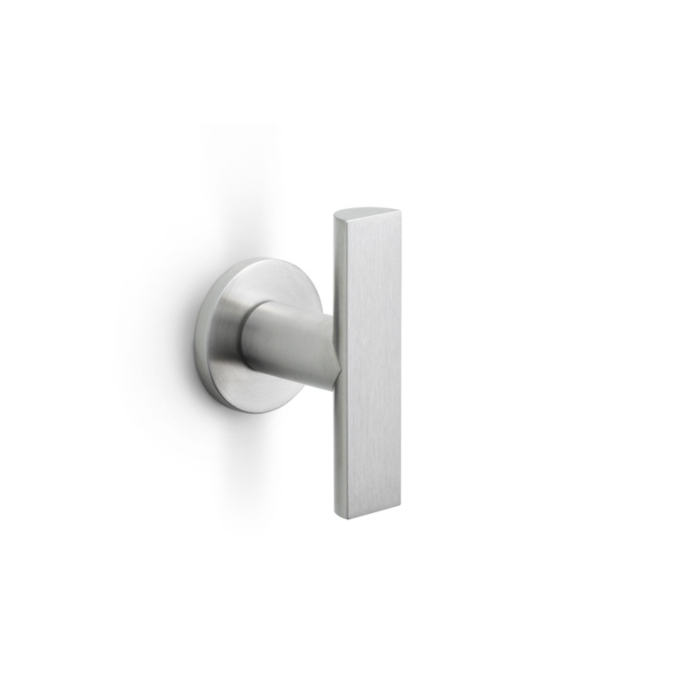
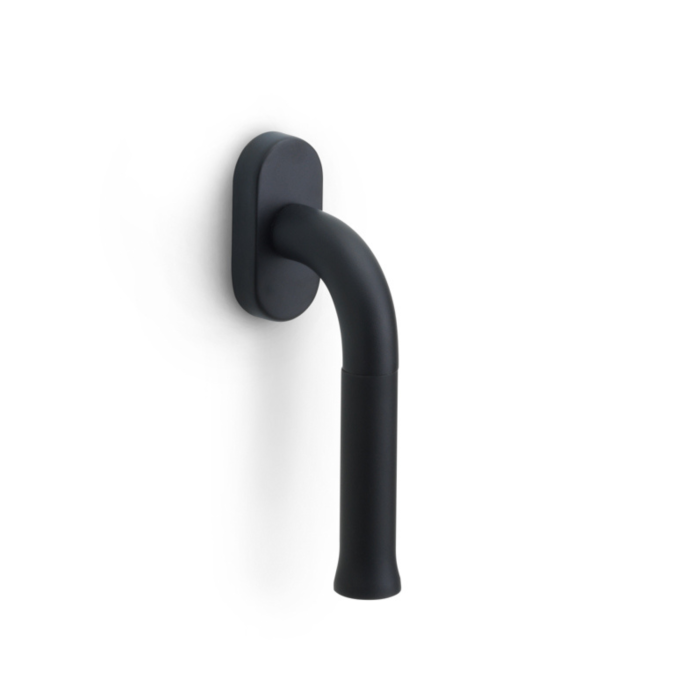
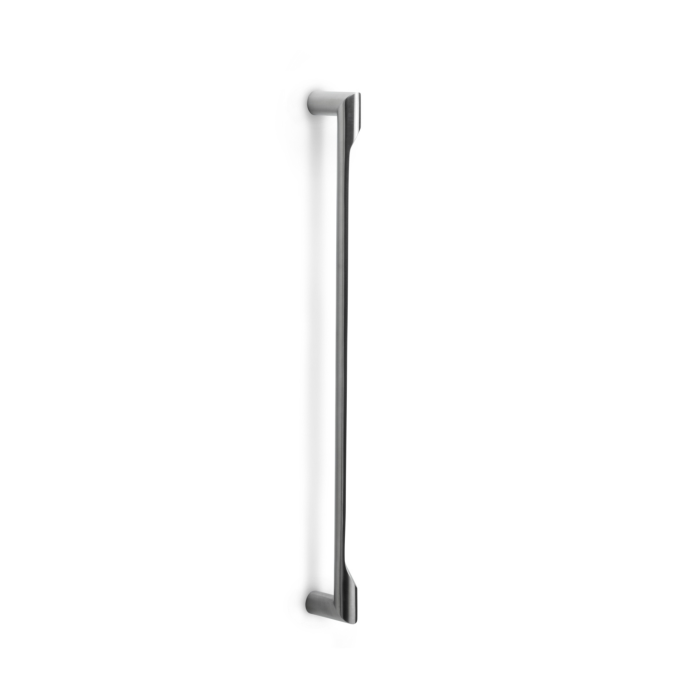
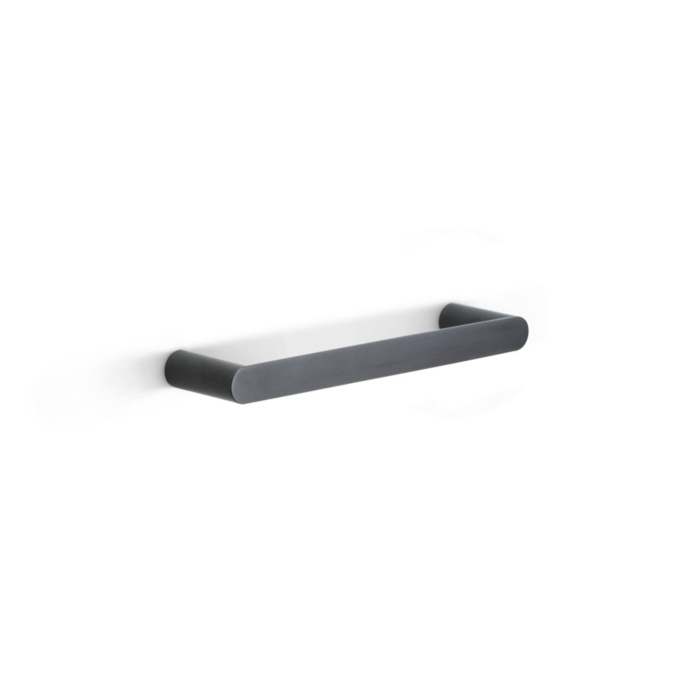
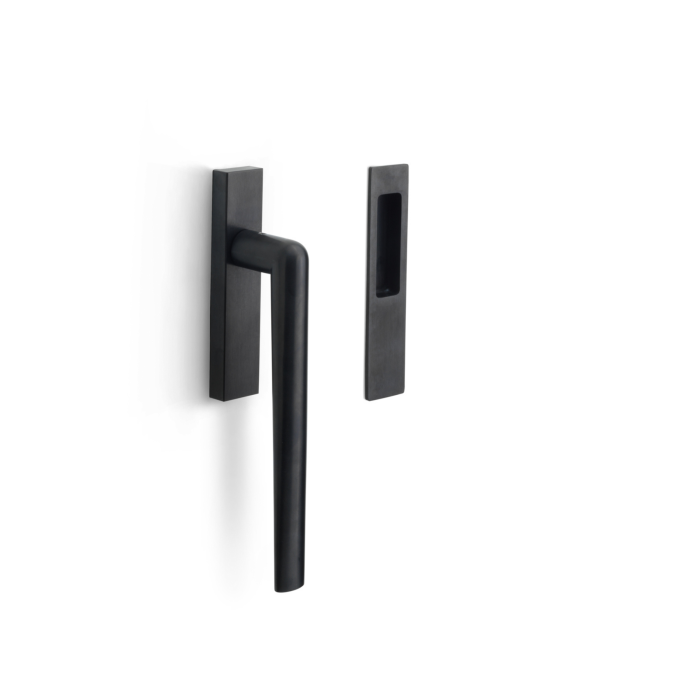
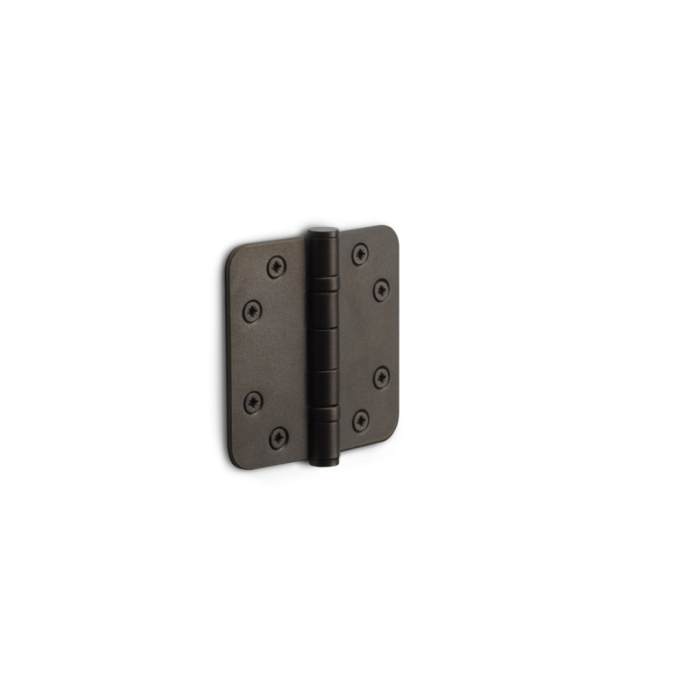
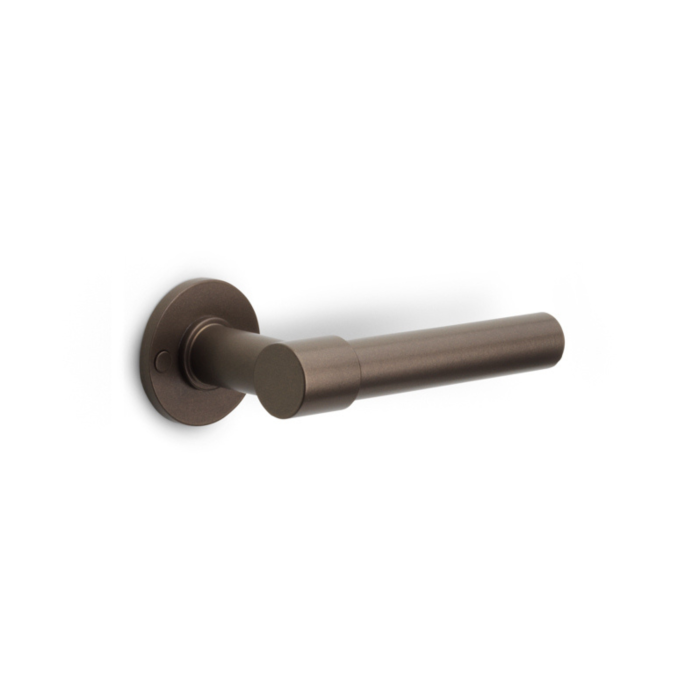
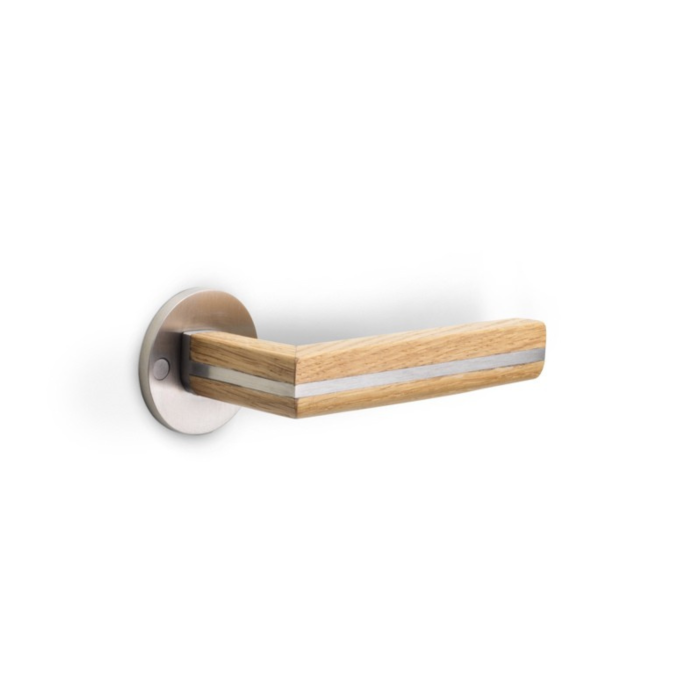
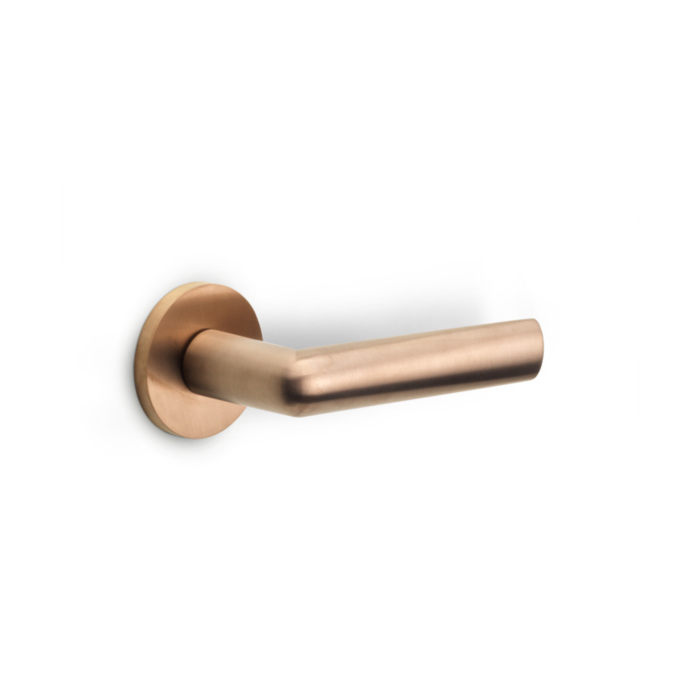
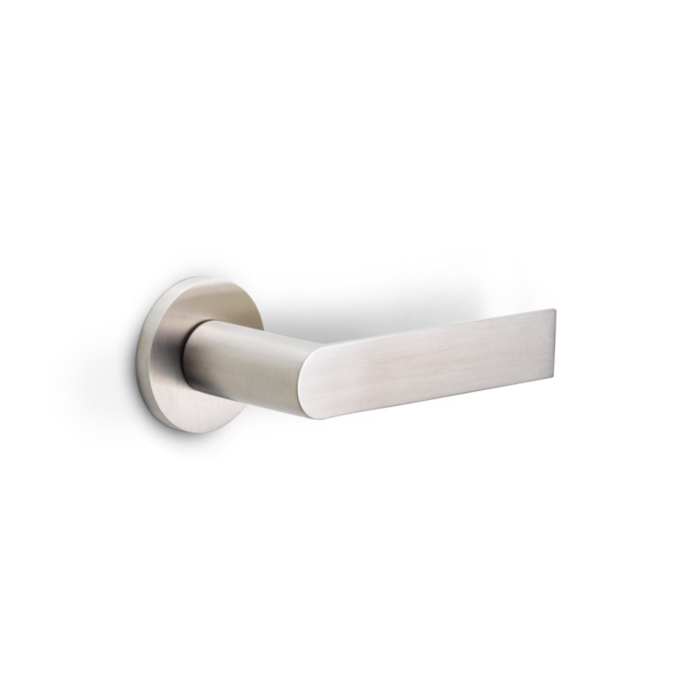
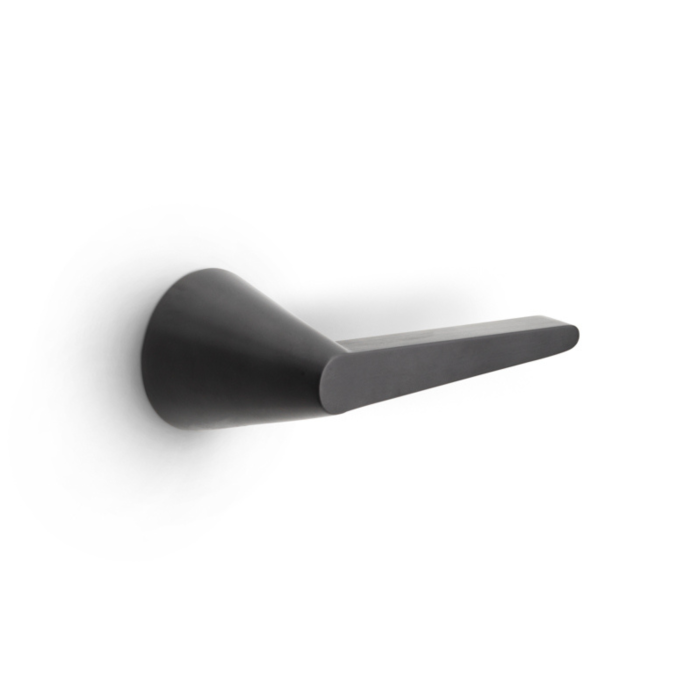
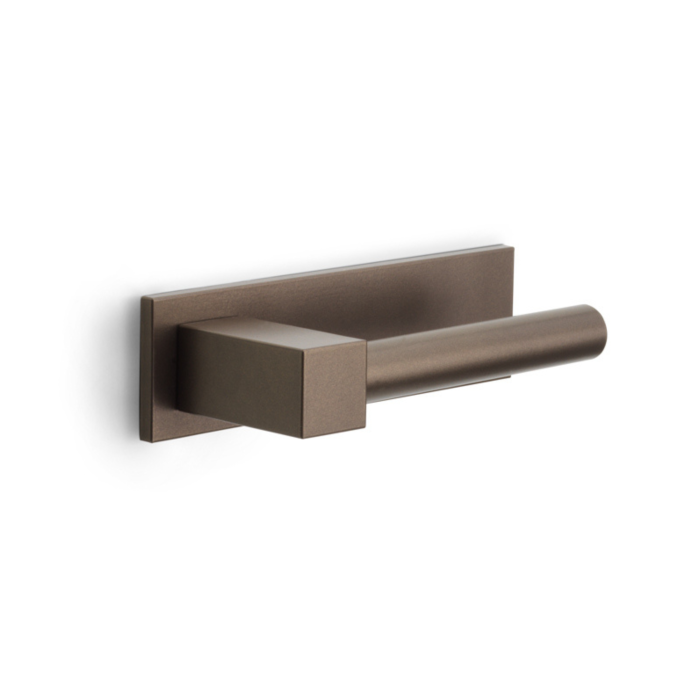
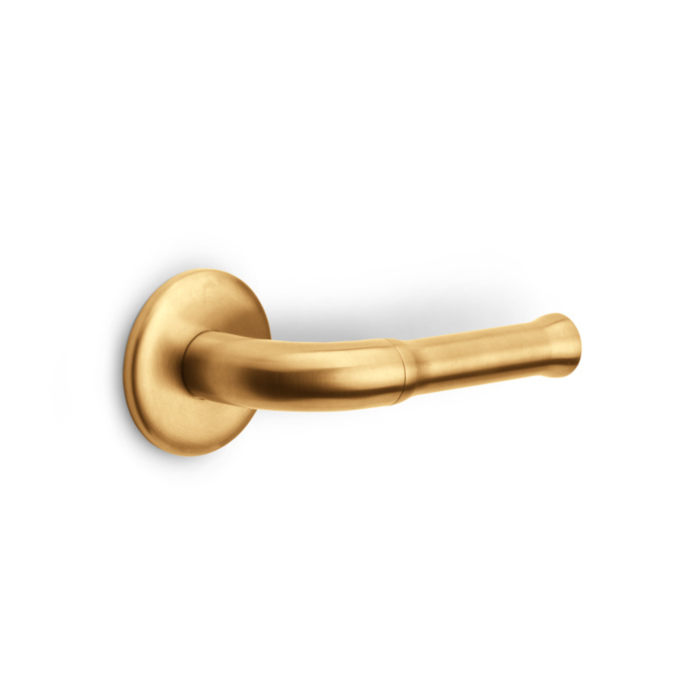
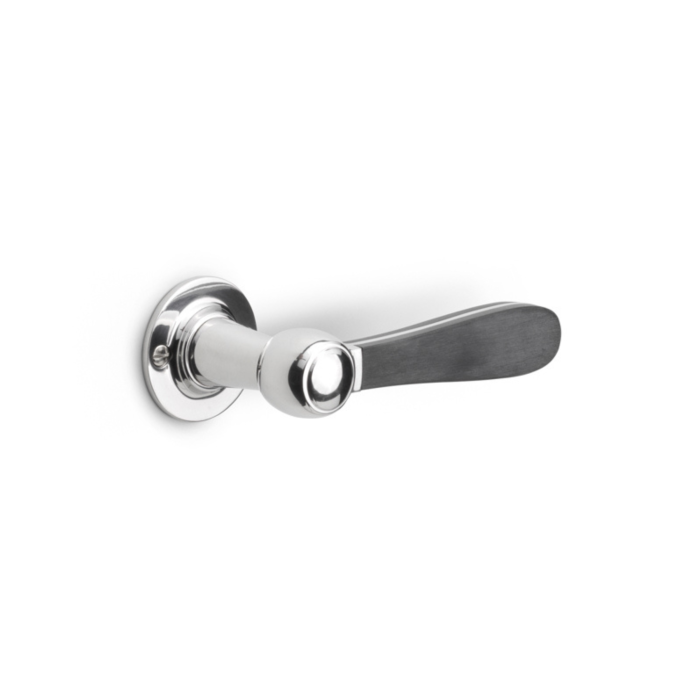
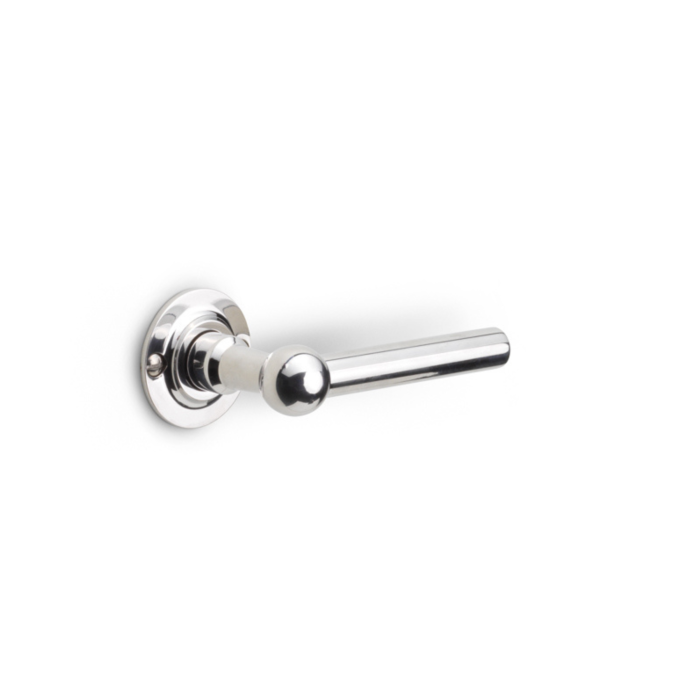
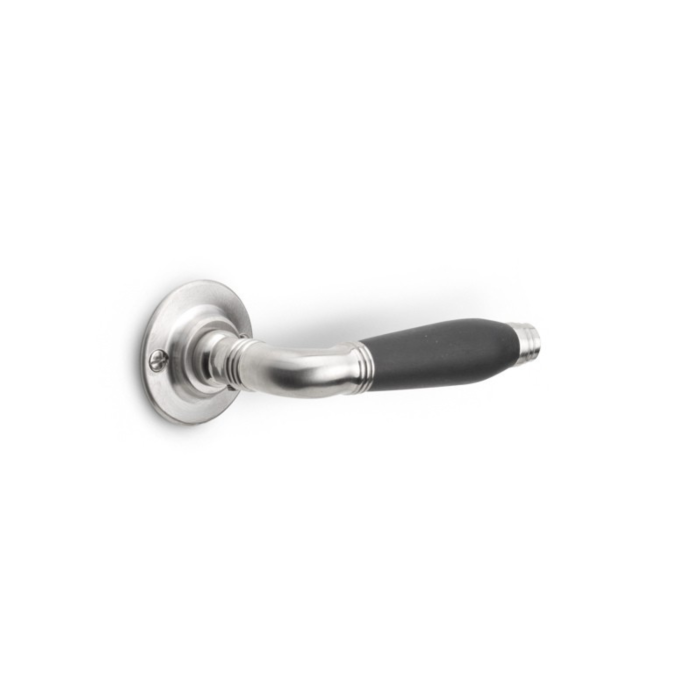
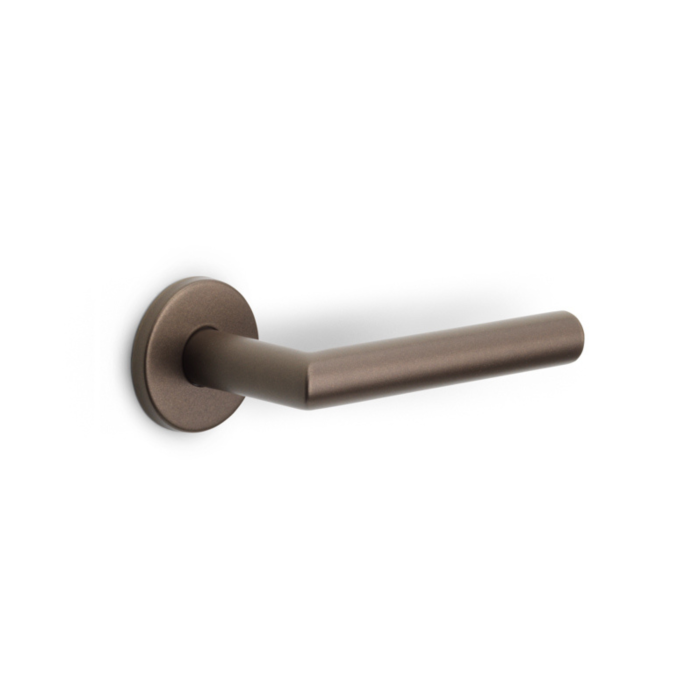
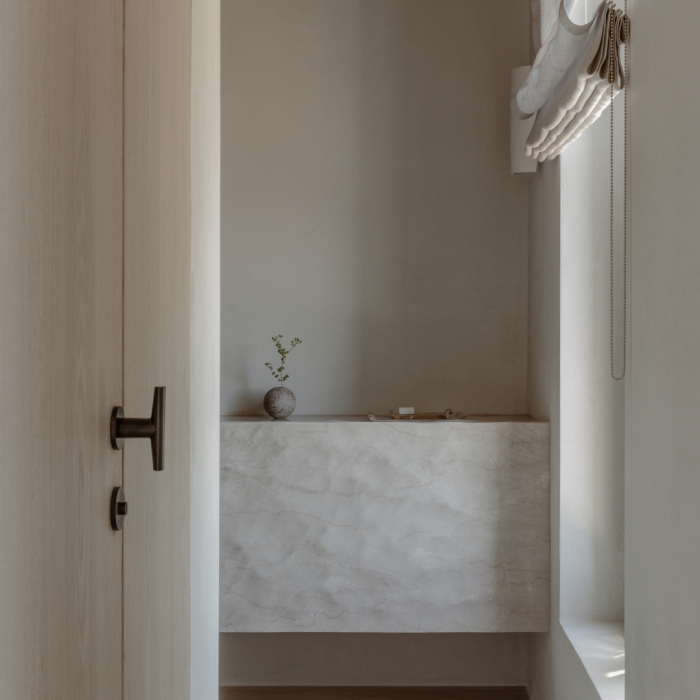
In interiors, this moment almost always occurs upon entry. The hand that reaches and opens creates the first physical contact with the space. Door hardware acts as the interface between architecture and user. Small in scale, yet decisive in experience.
When design feels effortless
A well-designed object requires no explanation. The hand instinctively understands how to interact with it. The form supports movement, the balance feels natural, and the interaction unfolds without resistance.
It is precisely in this effortlessness that fluid design reveals its strength. Not through visual emphasis, but through calm and coherence. What remains is not an image, but an experience that feels right.
ELEEZ by Zaha Hadid Design
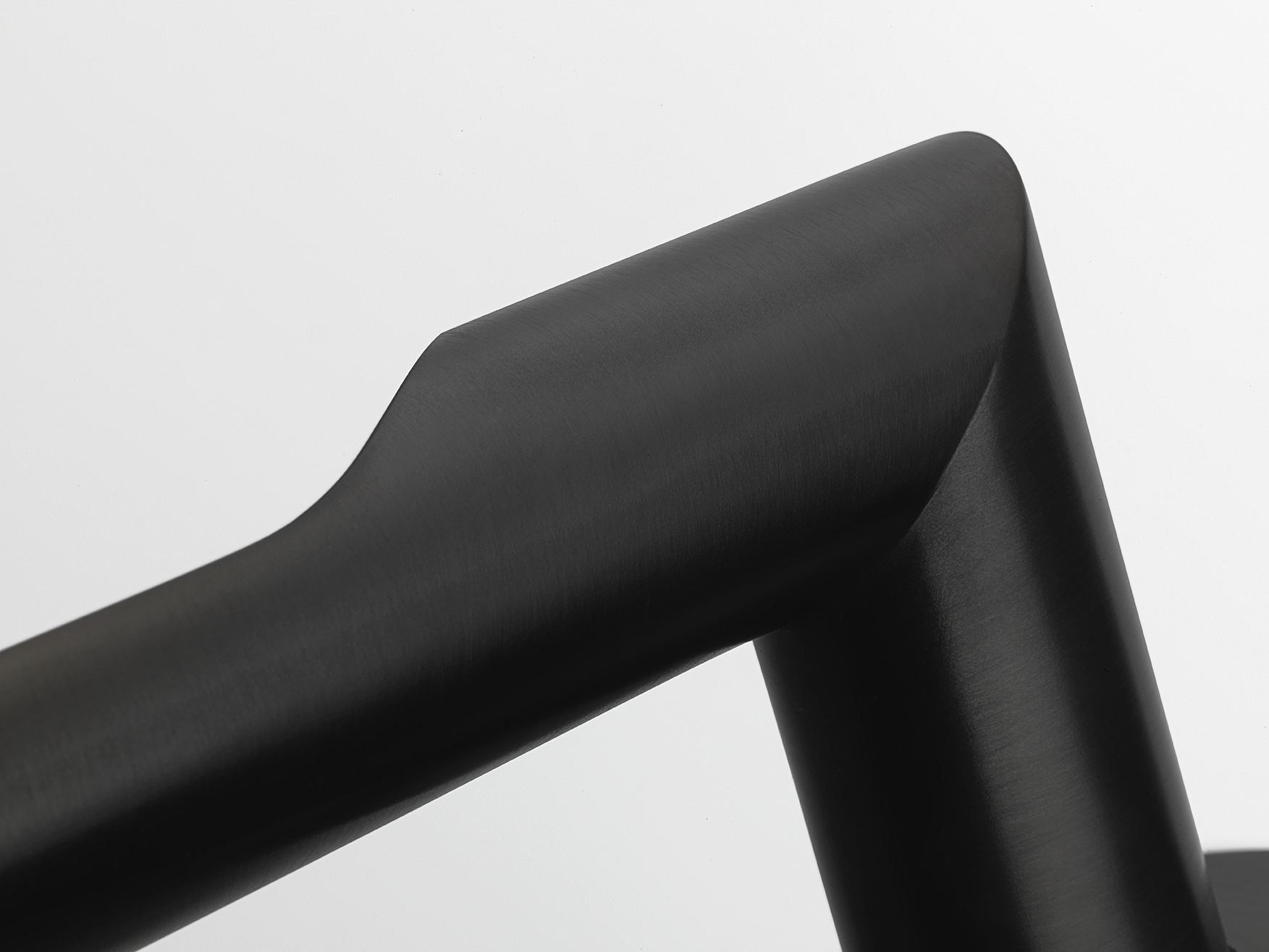
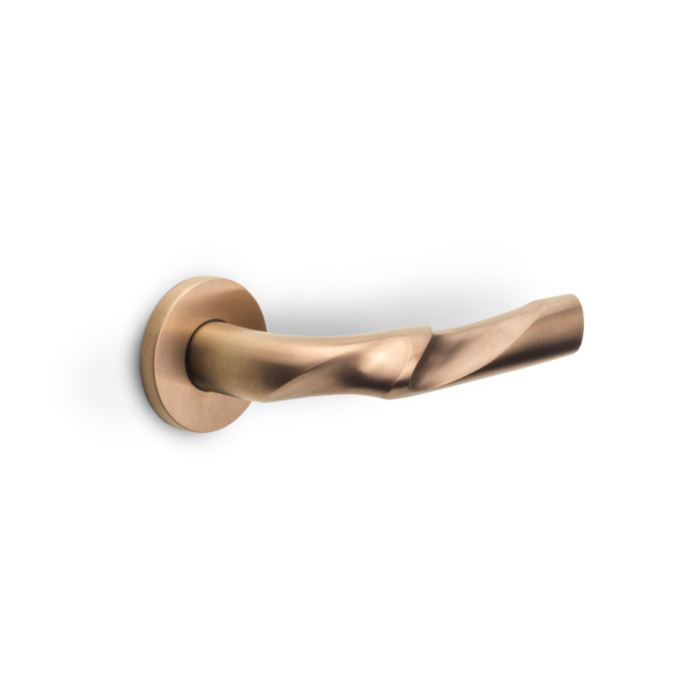
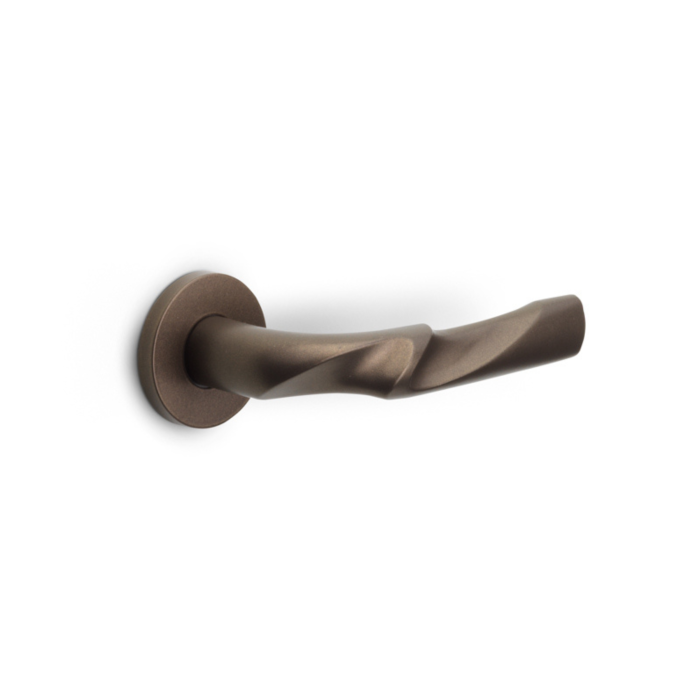
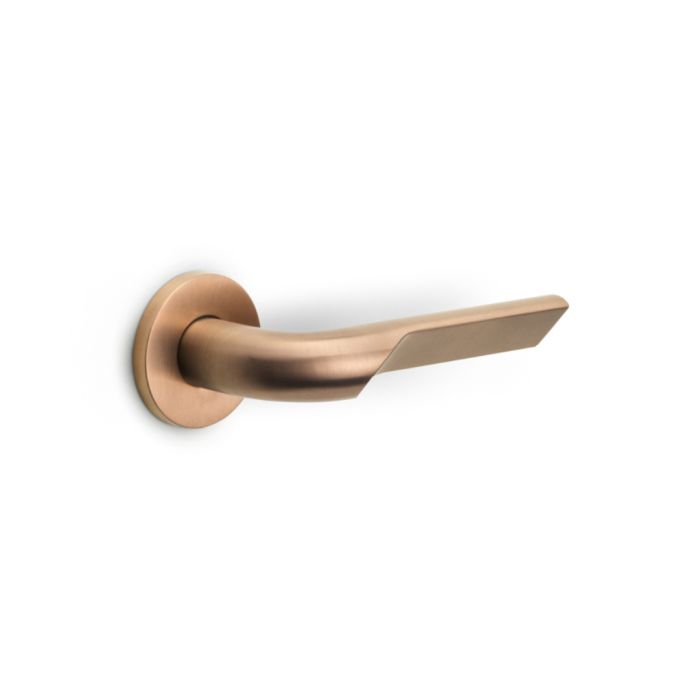
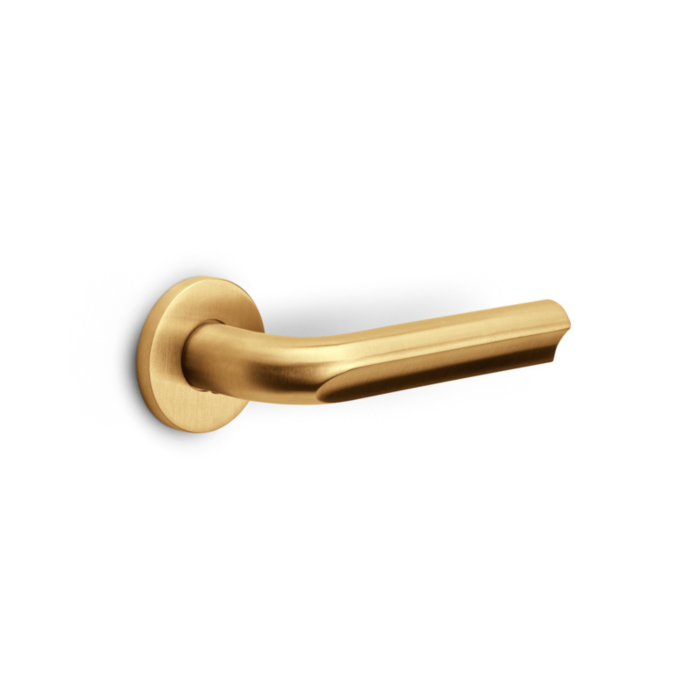
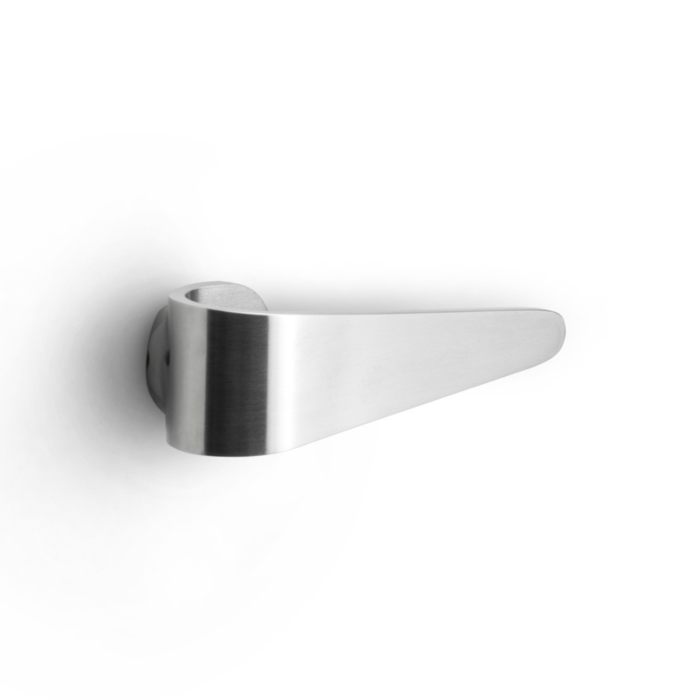
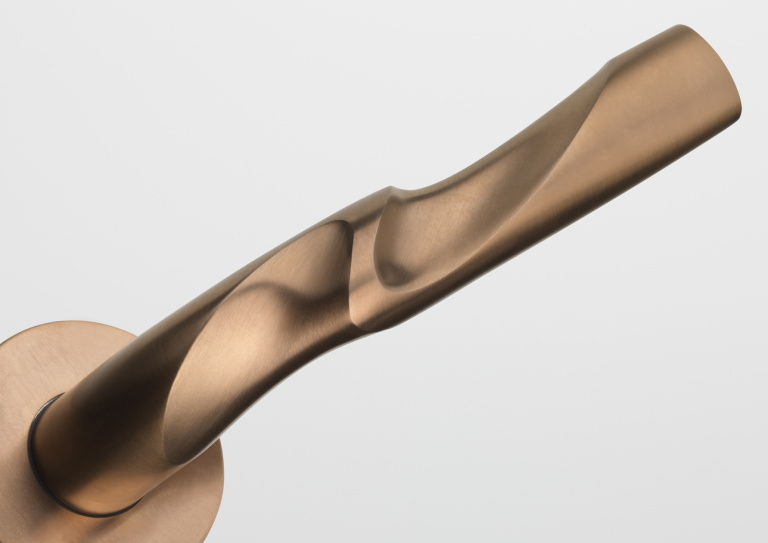
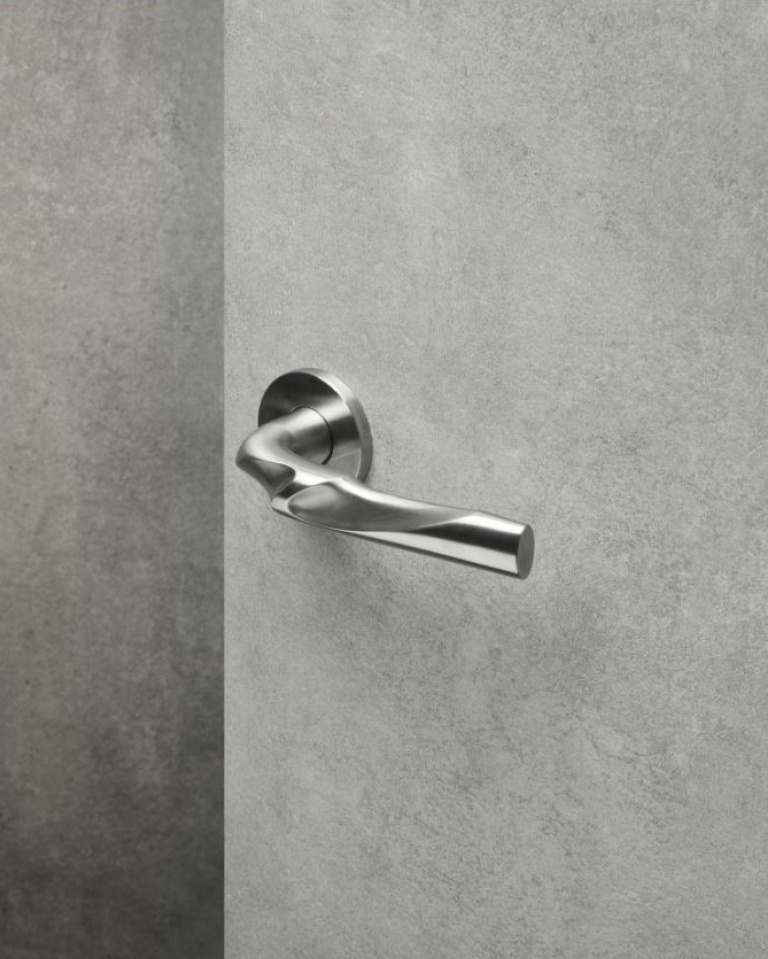
This way of thinking comes together in ELEEZ by Zaha Hadid Design. The design is informed by the spiralling motion of a helix, subtly translated into a curvilinear intervention within the cylindrical volume of the handle. The geometry suggests movement without imposing it.
Sculptural expression and functional clarity are fully integrated. The hand naturally follows the form, the motion unfolds without friction. The object is experienced as an action rather than a statement.
Architecture you can feel
Architecture does not end with what is visible. It lives in how spaces are entered, how surfaces feel, and how movement is guided. When form, balance, and material come together, coherence emerges without the need for explanation.
The first touch is not a minor detail, but part of the architectural narrative. And when that narrative is resolved, it is felt instantly.